How to troubleshoot a silicone rubber heater that's not working?
If your silicone rubber heater isn't working, there are several steps you can take to troubleshoot and identify the issue. Here's a step-by-step guide to help you:
1. Check the Power Source
Ensure the heater is plugged in: It might sound basic, but double-check that the power cord is securely plugged into the outlet.
Test the outlet: Plug another device (like a lamp or phone charger) into the same outlet to ensure the power source is working. If the outlet isn't working, check your circuit breaker or fuse box.
Use a different outlet: Sometimes outlets can be faulty. Plug your heater into a known working outlet to rule out this issue.
2. Inspect the Heater's Power Cable
Look for damage: Inspect the power cable for any visible cuts, fraying, or exposed wires. A damaged cable can prevent the heater from receiving power.
Test the cable: If possible, test the cable with a multimeter or continuity tester to ensure it's functioning. If there's no continuity, the cable needs replacing.
3. Examine the Thermostat or Temperature Control
Check the settings: If your heater has a thermostat, make sure it's set to the desired temperature. It's easy to overlook a simple setting adjustment.
Test the thermostat: If the thermostat isn't working, the heater may not heat up. If you have a multimeter, you can test the thermostat for continuity. If the thermostat is faulty, it might need replacing.
Reset the thermostat: Some heaters have a built-in reset button or safety cut-off in case of overheating. Check the heater's manual for instructions on how to reset the thermostat.
4. Inspect the Heater Surface for Damage
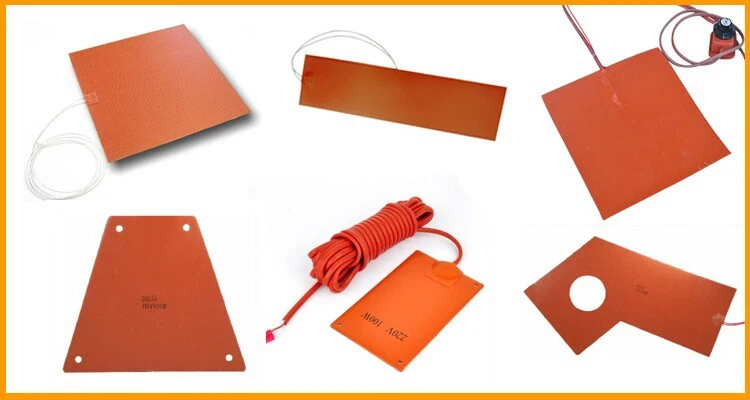
Check for visible damage: Inspect the silicone rubber surface for any cracks, tears, or punctures that could be compromising the heater's functionality. Damage could cause a short circuit or interrupt the heating element's operation.
Look for burn marks or discoloration: This could indicate overheating or electrical failure, which would require the heater to be replaced or repaired.
5. Check the Heating Element
Test for continuity: Use a multimeter to check the heating element. If there's no continuity, it means the element is broken and needs replacement.
Overheating issues: If the heater has previously overheated, the heating element may have burned out. In this case, the heater will need a replacement element or professional repair.
6. Examine the Fuse (if applicable)
Check for blown fuses: Some silicone rubber heaters have built-in fuses for safety. If the fuse has blown, it will prevent the heater from working. Check the fuse and replace it if necessary.
Use a multimeter to test the fuse: If the fuse is not visibly damaged, test it with a multimeter to ensure it's still functional.