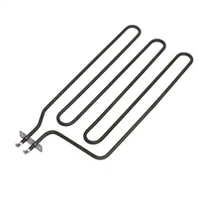
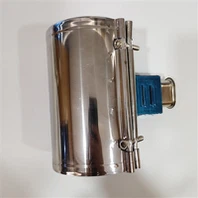
Flange immersion heaters and screw plug heaters are both types of electric heaters used to heat liquids and gases in tanks and vessels. Despite their similar applications, they have distinct differences in design, installation, and typical use cases. Here's a detailed comparison:

Flange Immersion Heaters
Design and Structure:
Mounting: Attached to the tank or vessel using a flange, which is a flat, circular plate with holes for bolts.
Construction: Usually consists of multiple heating elements (tubes) welded to the flange. These elements extend into the medium to be heated.
Size: Typically larger and more powerful, suitable for heating large volumes of liquid or gas.
Installation:
Attachment: Bolted to a matching flange on the tank, creating a strong and durable connection. Requires a matching flange on the tank or vessel.
Sealing: Uses gaskets between the flanges to ensure a tight seal and prevent leaks.
Applications:
Industrial Use: Common in large industrial applications such as chemical processing, oil and gas, water treatment, and power plants.
Capacity: Capable of heating large tanks or vessels due to their higher wattage and larger surface area.
Advantages:
Power: Can deliver higher wattage, making them suitable for heating large volumes.
Durability: Robust construction suitable for harsh industrial environments.
Serviceability: Easier to service and replace elements without draining the tank.
Screw Plug Heaters
Design and Structure:
Mounting: Installed using a threaded screw plug, usually 1 to 2 inches in diameter.
Construction: Consists of heating elements (tubes) welded to a screw plug, which is screwed into a threaded opening in the tank or vessel.
Size: Generally smaller and more compact compared to flange heaters.
Installation:
Attachment: Screwed directly into a threaded opening in the tank or vessel. Requires a compatible threaded opening.
Sealing: Utilizes thread sealants or gaskets to ensure a leak-free connection.
Applications:
Versatility: Suitable for smaller tanks or vessels and applications where space is limited.
Variety: Used in residential, commercial, and smaller industrial applications, such as water heaters, oil heaters, and smaller process heating needs.
Advantages:
Compact Size: Easier to install in tight spaces and smaller tanks.
Flexibility: Can be used in a variety of applications, including those with lower heating requirements.
Cost-Effective: Generally less expensive than flange heaters, both in terms of initial cost and installation.

Flange Immersion Heaters are ideal for large-scale industrial applications requiring high power and durability. They offer robust construction, high wattage, and easy serviceability, but require a matching flange on the tank and are generally more expensive.
Screw Plug Heaters are better suited for smaller tanks and more versatile applications, providing a compact and cost-effective solution. They are easier to install in tight spaces and are suitable for residential, commercial, and light industrial uses.
Choosing between these heaters depends on factors such as the volume and type of liquid or gas to be heated, the available space for installation, and the specific heating requirements of the application.