Introduction
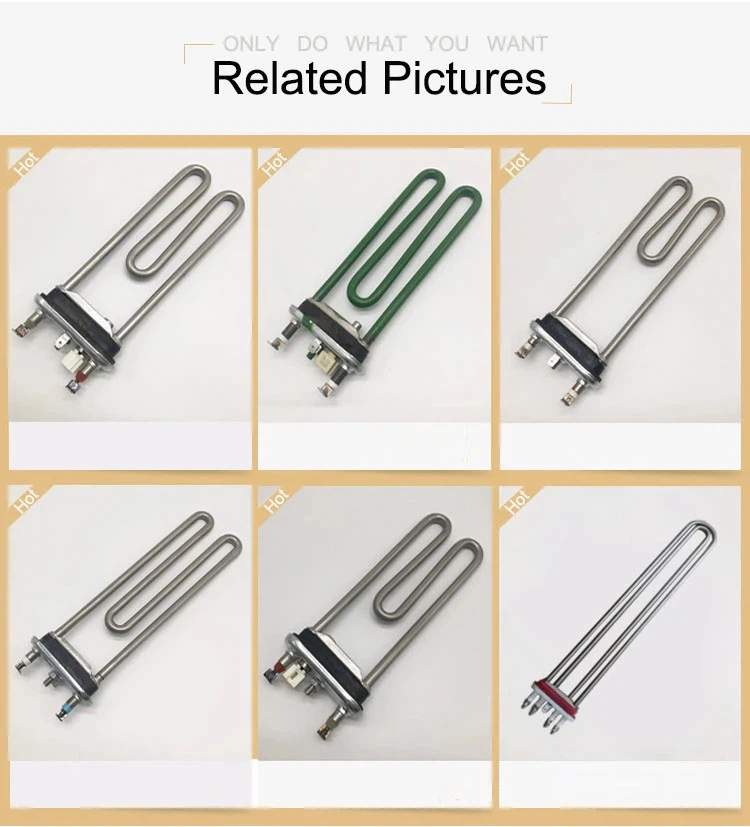
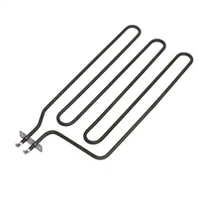
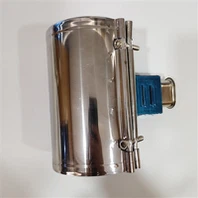
Heating tubes are essential components in industrial and commercial heating systems, converting electrical energy into thermal energy through resistive heating. The selection of appropriate material is critical for ensuring optimal performance, longevity, and safety across various applications. This guide provides a comprehensive comparison of copper, stainless steel, and titanium heating tubes, helping you make informed decisions based on your specific requirements.
Core Performance Parameters Comparison
|
Performance Indicator |
Copper Heating Tube |
Stainless Steel 304 |
Stainless Steel 316L |
Titanium Heating Tube |
|---|---|---|---|---|
|
Thermal Conductivity (W/m·K) |
398 |
16 |
16 |
21.9 |
|
Maximum Operating Temperature (°C) |
350 |
550 |
550 |
1000 |
|
Corrosion Resistance |
Moderate |
Good |
Excellent |
Exceptional |
|
Chloride Ion Resistance |
Poor |
Moderate |
Good |
Exceptional |
|
Surface Load (W/cm²) |
≤7 |
≤11 |
≤11 |
≤7 |
|
Design Life (hours) |
5,000-8,000 |
8,000-10,000 |
10,000-12,000 |
≥10,000 |
|
Relative Cost |
Medium |
Low |
Medium |
High |
Material Characteristics Deep Dive
-
Copper Heating Tubes
Copper tubes feature exceptional thermal conductivity of 398 W/(m·K), enabling rapid heating with temperature stabilization achieved within 3 minutes of operation. However, their corrosion resistance is limited, making them susceptible to corrosion in environments containing sulfur, chlorine, or weak acids, potentially leading to copper oxide formation and water contamination. Surface load is restricted to 7 W/cm², making them suitable for applications requiring quick heating in relatively clean water environments.
-
Stainless Steel 304 Heating Tubes
304 stainless steel contains 18-20% chromium and 8-10% nickel, offering good oxidation resistance and mechanical strength at a competitive cost. With a thermal conductivity of 16 W/(m·K), it provides adequate heating performance for most applications when properly designed. While susceptible to corrosion in chloride-rich environments, it performs well in clean water applications. Surface load capacity reaches 11 W/cm², with maximum operating temperature of 550°C.
-
Stainless Steel 316L Heating Tubes
316L stainless steel incorporates 2-3% molybdenum, significantly enhancing chloride ion resistance compared to 304. This makes it particularly suitable for seawater desalination, chemical processing, and other harsh environments. Its corrosion resistance approaches that of titanium at approximately 1/8 to 1/9 of the cost. 316L maintains excellent performance in coastal high-salt environments, representing the optimal balance between cost and corrosion resistance.
-
Titanium Heating Tubes
Titanium tubes deliver unparalleled corrosion resistance in strong acid, strong alkali, seawater, and high-chloride environments, with operational temperatures reaching 1000°C. However, their thermal conductivity of 21.9 W/(m·K) is significantly lower than copper while slightly better than stainless steel. Titanium's soft nature requires careful handling during installation to avoid mechanical damage. Despite being 8-9 times more expensive than 316L stainless steel, titanium is indispensable for extreme corrosion environments where other materials would fail prematurely.
Application-Specific Recommendations
Residential Water Heating Systems
Copper heating tubes are the preferred choice for instant water heaters due to their rapid heating capability, achieving target temperatures within 3 minutes with temperature control precision of ±1°C. Stainless steel 304 heating tubes are better suited for storage-type water heaters, offering high-temperature and high-pressure resistance with service life extending 5-10 years.
Industrial Heating Applications
Stainless steel 316L heating tubes find widespread use in chemical processing, food manufacturing, and seawater desalination applications, providing excellent corrosion resistance at reasonable cost. Titanium heating tubes are essential for electroplating tanks, acid/alkali baths, and other highly corrosive environments, offering service life up to twice that of standard stainless steel despite higher initial investment.
Special Environment Applications
Coastal regions or high-salinity water environments require 316L stainless steel or titanium tubes to prevent chloride-induced corrosion. Acidic water conditions (pH<6.5) demand titanium tubes, while alkaline environments (pH>8.5) can utilize 316L stainless steel or enamel-coated heating tubes.
Selection Guidelines
Budget-Oriented Approach
- Economical Option: Stainless steel 304 heating tubes offer the lowest cost for general water applications
- Cost-Effective Solution: Stainless steel 316L heating tubes provide significantly improved corrosion resistance at moderate pricing
- Premium Selection: Titanium heating tubes deliver superior corrosion resistance but command premium pricing
Performance-Driven Selection
- Thermal Efficiency Priority: Copper heating tubes with 398 W/(m·K) thermal conductivity ensure fastest heating response
- Corrosion Resistance Priority: Titanium heating tubes withstand extreme corrosive environments
- Balanced Performance: Stainless steel 316L heating tubes balance thermal performance, corrosion resistance, and cost
Environment-Based Selection
- Standard Tap Water: Stainless steel 304 or copper tubes
- Hard Water Regions: Enamel-coated heating tubes or 316L stainless steel
- Coastal High-Salt Water: 316L stainless steel or titanium tubes
- Acidic Water: Titanium tubes or PTFE-coated heating tubes
- Alkaline Water: 316L stainless steel or enamel-coated options
Cost-Benefit Analysis
From a total lifecycle cost perspective, while copper and titanium tubes require higher initial investment, they offer distinct advantages in specific scenarios. For example, a 10-ton commercial air conditioning system using copper tube materials costs approximately ¥4,500, compared to ¥2,800 for stainless steel systems. However, copper systems typically last 15 years, while stainless steel systems can operate for 25 years with minimal maintenance, making stainless steel more cost-effective over the long term.
Titanium tubes, priced at ¥220,000-260,000 per ton, may last more than twice as long as standard stainless steel in highly corrosive environments while requiring lower maintenance costs, making them suitable for industrial applications demanding exceptional reliability.
Maintenance and Care Protocols
Different heating tube materials require varying maintenance intervals. Copper tubes in hard water regions need descaling every 3 months, while stainless steel 304/316L tubes should be cleaned every 6 months. Titanium tubes in corrosive environments still require periodic inspection despite their superior resistance. Cleaning should utilize 5%-8% citric acid solution at 40-50°C, soaking for 1-2 hours followed by gentle brushing with soft brushes to avoid surface damage.
Future Development Trends
Advancements in material technology are driving the development of high thermal conductivity stainless steel and steel-copper composite tubes, aiming to combine thermal performance with corrosion resistance. Surface nanotechnology treatments can enhance heat transfer efficiency, improving heating performance. Market projections indicate stainless steel heating tube market size reaching ¥18.6 billion by 2029 with a 5.1% CAGR, while copper heating tube market grows to approximately ¥7.2 billion at a slower 1.8% growth rate.
Conclusion
Copper heating tubes excel in rapid heating applications, stainless steel 304/316L dominates the mid-range market, and titanium tubes serve high-end corrosion-resistant requirements. Material selection should consider water quality conditions, temperature requirements, budget constraints, and total lifecycle costs to identify the optimal solution for your specific application needs.

One-stop Heating Tube Factory in China
f you require heating elements, Jaye Heater-as a long-standing manufacturer of heating elements-will assist you with our team of professional technicians and sales personnel.