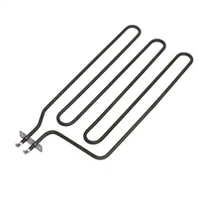
An oven tubular heater is a type of electric heating element designed for use in ovens and other heating appliances. It plays a crucial role in generating the heat needed for cooking, baking, and various industrial processes. The production of oven tubular heaters typically involves the following main steps:
1. Material Selection:
Choose materials suitable for oven tubular heaters, typically using stainless steel for the outer tube and a high-temperature alloy like nickel-chromium (Nichrome) for the resistance wire.
2. Mold Design and Manufacturing:
Design molds for the oven tubular heaters, ensuring that the shape and dimensions meet specifications. Manufacture molds, often using metals such as aluminum or steel.
3. Forming the Outer Tube:
Use molds to shape stainless steel or other metal materials into the outer tube of the oven tubular heaters. This may involve bending, rolling, or other forming processes.
4. Assembly of the Resistance Wire:
Install the resistance wire inside the outer tube, typically using a nickel-chromium alloy. The method and density of winding the resistance wire can affect heat distribution and overall efficiency.
5. Compaction and Treatment:
Compact the resistance wire to ensure good thermal conductivity and contact between the wire and the outer tube. This helps optimize heat transfer and efficiency.
6. Sealing:
Seal both ends of the tube to prevent moisture or impurities from entering. This can be accomplished through welding or brazing.
7. Lead Wire Connection:
Connect lead wires to link the oven tubular heater to the power source. Lead wires are typically secured at both ends through methods such as welding or other reliable connections.
8. Testing:
Subject the finished product to various tests, including resistance testing, insulation testing, and visual inspections, to ensure product quality and performance.
9. Coating (Optional):
Apply coatings to the oven tubular heaters as needed. For example, a ceramic coating may be added to enhance corrosion resistance and improve heat dissipation.
10. Bending or Shaping (if necessary):
Sometimes, oven tubular heaters may need to be bent or shaped to fit specific applications or design requirements.
11. Final Inspection and Packaging:
Perform a final inspection on each oven tubular heater to ensure it meets quality standards. Package the products for shipment.
The specific details of these steps may vary depending on the manufacturer and the specific intended use of the oven tubular heaters. Some advanced heaters may also include features like temperature sensors or special coatings.

Know More About Oven Tubular Heater