How To Prevent Fouling And Pipe Breakage Of Electric Heating Tubes?
After we use the electric heating tube for a period of time, it will rupture due to many factors. After this kind of phenomenon occurs, most customers will attribute the responsibility to the unqualified heating tube, and the manufacturer cut corners during production. In fact, this is not entirely true. There may be quality problems.
Let's first take a look at the introduction and characteristics of the electric heating tube:
Introduction of electric heating tube:
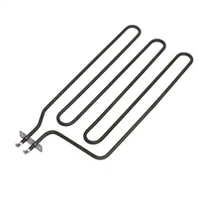
Electric heating tube is made by inserting electric heating wire in seamless metal tube (carbon steel tube, titanium tube, stainless steel tube, copper tube), the gap part is filled with magnesium oxide powder with good thermal conductivity and insulation, and then it is processed into Various shapes required by users. It has a simple structure, high thermal efficiency, and good mechanical strength. I have good adaptability to harsh environments. The electric heating tube can be used to heat various liquids and acid-base salts, and it is also suitable for heating and melting metals with low melting points.
Features of electric heating tube:
When the electric heating tube is made, the metal electric heating element is used as the heating element. According to the requirements of different heating tube power and voltage, the resistance wire is made into a spring shape with a winding machine, and then the electric heating wire is inserted into the seamless steel tube, and then The casing is tightly filled with magnesium oxide powder with good insulation and thermal conductivity. Then use a tube shrinking machine to reduce the diameter of the tube. This manufacturing process can not only make the oxide medium dense, but also ensure that the heating wire is isolated from the air, so that it does not deviate at the center position and touch the tube wall. Avoid electrical conduction or uneven heating on the surface of the electric heating tube.
The stainless steel electric heating tube has not been reasonably designed before being manufactured, and it involves a size and power setting. The larger the power, the size is not up to the requirements, then the working load of the electric heating tube will increase when in use, causing the stainless steel heating tube to swell, and the heat cannot be well dissipated, which will cause the electric heating tube to rupture.
When making electric heating tubes, the internal fillers are basically magnesium oxide powder. There are many varieties of magnesium oxide powder, and the quality level is uneven. Magnesium oxide powder acts as a high-temperature insulation for the electric heating tube. If low-quality magnesium oxide powder is selected, the internal heat will accumulate inside the heater when the heater is working, and the phenomenon of rupture will occur. This is a quality problem of the electric heating tube. .
When the heater heats the liquid, it will gradually produce a lot of scale on the surface with time. At first, these scales did not cause any harm to our heaters, but for a long time, when the scale reaches a certain thickness and harms the heat dissipation effect of the heater, the result of the electric heating tube rupture will not be far away. This factor is also our most common one.
There is also a geological and climatic reason. In winter in the north, stainless steel electric heating pipes are easy to freeze and crack, causing serious water leakage. Special attention should be paid to prevent and check stainless steel electric heating pipes. In addition, we must also be clear about the classification and use of stainless steel electric heating pipes. First of all, we need to understand the environmental factors that make stainless steel electric heating tubes easy to freeze and crack. for example:
1. The faucets and water pipes outside the house should be equipped with antifreeze equipment (antifreeze plug, antifreeze wooden box, etc.).
2. For houses with water pipes, glue the seams of the doors and windows, and pay attention to the insulation of the house.
3. There are icy places in the house. It should also be wrapped in sack pieces and wrapped with straw ropes.
4. The cover sand that is washed away by the flood in the rainy season should be filled before winter to prevent the soil from being too shallow and freezing and cracking the water pipes.