Introduction to Pipe Electric Heating Systems
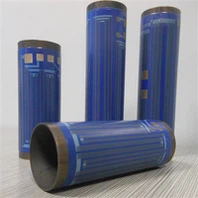
Pipe electric heaters are specialized heating solutions designed to maintain or raise the temperature of fluids within pipelines in industrial, commercial, and domestic settings.
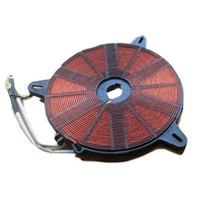
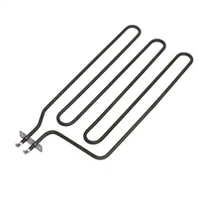
These systems convert electrical energy into heat via resistance heating elements, transferring thermal energy through conduction to the pipe wall and the medium contained within.
Common applications include temperature maintenance for viscous fluids, freeze protection, and process heating in chemical, petrochemical, food processing, and HVAC systems.
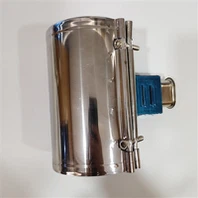
The core components include the heating element, typically made of nickel-chromium or iron-chromium-aluminum alloys; a protective metal sheath; thermal insulation to minimize losses; and a terminal enclosure for electrical connections. Understanding these components is essential for safe installation, operation, and maintenance.
Pre-Installation Assessment and Selection
Selecting the correct heater involves evaluating several critical factors. Start by measuring the pipe's outer diameter and length to determine heater dimensions and wattage requirements.
Consider the fluid type-whether water, oil, gas, or chemical-and its thermal properties, such as specific heat capacity and viscosity. The operating environment also plays a role; ambient temperature, humidity, presence of corrosive agents, and mechanical hazards must be accounted for.
Ensure the heater's rated voltage and power match the available electrical supply. For safety and performance, choose a sheath material compatible with both the pipe material and the fluid.
For instance, stainless steel sheaths suit corrosive environments, while copper or brass may be preferred for general-purpose heating. Finally, confirm that control options-such as built-in thermostats or external PID controllers-align with the precision required by the application.
Installation and Electrical Connection
Proper installation begins with a clean, dry, and debris-free pipe surface.
Position the heater evenly along the pipe section, securing it with appropriate clamps or bands to ensure full surface contact. For improved thermal transfer, apply a thin layer of high-temperature thermal paste between the heater and the pipe. Once secured, install thermal insulation over the heater to minimize energy loss.
Electrical connections should be made in accordance with local codes and the manufacturer's wiring diagram. Inside the terminal enclosure, connect the power leads to the designated terminals, ensuring correct phasing and secure terminations.
A proper ground connection is mandatory for safety. If the unit includes a temperature sensor, route its wiring separately from power cables to avoid signal interference.
After wiring, perform an insulation resistance test (megger test) to verify the integrity of the electrical insulation before energizing the system.
Initial Startup and Temperature Control
Before applying power, confirm that the pipe contains fluid (if required) and that all safety covers and enclosures are properly closed. Energize the heater at a low setting, gradually increasing the temperature setpoint to the target value.
During this initial phase, monitor the current draw, surface temperature, and fluid temperature to ensure stable operation.
Use a calibrated temperature controller to maintain the desired setpoint.
For processes requiring precise temperature stability, a PID controller is recommended to minimize overshoot and cycling.
Place the temperature sensor as close as possible to the process fluid, typically on the pipe surface or immersed in the medium, to ensure accurate feedback. Regularly verify sensor accuracy with a handheld thermometer.
Routine Operation and Monitoring
During normal operation, monitor the heater's performance through periodic checks of surface temperature, current consumption, and control system behavior.
Keep an operating log to record key parameters, which can help identify gradual performance degradation.
If the heater is controlled by an automated system, verify that alarms for overtemperature or loss of flow are functional.
Avoid operating the heater in a dry condition unless it is specifically designed for dry-well operation, as this can lead to localized overheating and premature failure.
For systems heating stationary fluids, ensure adequate circulation or agitation to prevent stratification and hot spots. If unusual noises, odors, or fluctuations in power consumption occur, investigate promptly to prevent minor issues from escalating.
Maintenance Procedures and Troubleshooting
Scheduled maintenance extends service life and ensures operational safety. Monthly, inspect the heater and surrounding insulation for physical damage, moisture ingress, or corrosion. Check electrical terminals for tightness and signs of overheating. Every six months, measure insulation resistance; a reading below 1 MΩ may indicate moisture absorption or insulation breakdown. Annually, calibrate the temperature sensor and controller to maintain accuracy.
Common operational issues include failure to heat, insufficient heating, or uneven temperature distribution. If the heater does not heat, verify power supply, check fuses or circuit breakers, and test the heating element for continuity. Inadequate heating may result from incorrect voltage, poor thermal contact, or damaged insulation. Uneven heating often stems from improper mounting, scaling on the pipe interior, or failing sections of the heating element. Address these issues systematically, beginning with the simplest potential causes.
Safety and Emergency Protocols
Electrical and thermal hazards require strict safety protocols. Always de-energize and lock out the power supply before performing maintenance. Use appropriate personal protective equipment, including insulated gloves and safety glasses. Clearly label high-temperature surfaces to prevent accidental contact.
Install redundant safety devices such as thermal fuses or high-limit thermostats to prevent overtemperature conditions. In case of abnormal operation-such as smoking, sparking, or tripped overcurrent protection-immediately shut off power and investigate.
Keep a Class C fire extinguisher nearby, as electrical fires may involve energized equipment. Train all relevant personnel in emergency shutdown procedures and ensure emergency contact information is visibly posted.
Performance Optimization and Long-Term Reliability
To enhance efficiency and longevity, ensure the thermal insulation remains intact and dry. Upgrade to modern, well-tuned temperature controllers to reduce energy consumption and temperature fluctuations.
Where feasible, implement heat-tracing controls that adjust output based on ambient conditions, reducing power use during warmer periods. Periodically review system performance against design specifications; deviations may indicate scaling, insulation degradation, or control system drift.
Maintain thorough records of installations, adjustments, maintenance activities, and failures. This historical data supports predictive maintenance and informed decision-making for replacements or upgrades.
By adhering to a disciplined operational and maintenance regimen, pipe electric heaters can deliver reliable, efficient service for years, supporting process consistency and safety across a wide range of applications.

One-stop Pipe Electric Heaters Factory in China
Jaye Heater Technology specializes in industrial heating elements, offering OEM/ODM services for global clients. for growth and success in the beauty indsty.