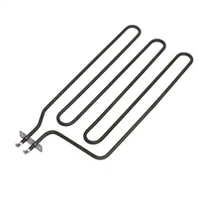
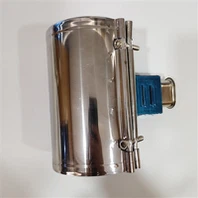
Installing a flange heater in a tank or vessel is a common process in various industrial applications where heating is required for liquids or gases. Flange heaters are typically used for heating fluids like water, oil, chemicals, and gases.
Here's a general step-by-step guide on how to install a flange heater:
Tools and Materials you'll need
1. Flange heater assembly with appropriate wattage and voltage rating.
2. Gasket material (usually made of PTFE or other suitable material).
3. Bolts, nuts, and washers.
4. Wrenches and sockets.
5. Thermocouples or temperature sensors (if required).
6. A power supply source with the correct voltage and amperage.
Installation Steps
1. Safety First:
- Ensure that you are following all safety guidelines and protocols for working with electrical equipment and in potentially hazardous environments.
2. Tank or Vessel Preparation:
- Drain or empty the tank or vessel if it contains any liquid or gas.
- Clean the tank surface around the area where you will install the flange heater. It should be free from debris, rust, and other contaminants.
3. Select the Installation Location:
- Determine the optimal location for the flange heater. It should be placed in a way that allows even heat distribution throughout the tank or vessel.
4. Flange Heater Placement:
- Carefully position the flange heater into the pre-selected location on the tank or vessel.
- Ensure that the electrical terminals are easily accessible for wiring.
5. Gasket Installation:
- Place a suitable gasket between the flange heater and the tank or vessel. This gasket helps create a seal and prevents leaks.
6. Bolt Placement:
- Align the bolt holes on the flange heater with those on the tank or vessel.
- Insert the bolts through the holes and add washers and nuts on the other side.
7. Tighten Bolts:
- Gradually tighten the bolts in a crisscross pattern to ensure even pressure and a secure seal. Do not over-tighten, as this can damage the flange or gasket.
8. Electrical Connections:
- Connect the electrical wires from the flange heater to a suitable power source. Make sure to follow all electrical codes and safety guidelines for your specific application.
- If you have temperature sensors or thermocouples, connect them to the appropriate monitoring or control system.
9. Test and Inspection:
- Before filling the tank or vessel, perform a visual inspection to ensure there are no leaks or loose connections.
- Test the flange heater to verify that it is functioning correctly and heating as expected.
10. Fill the Tank or Vessel:
- Once the installation is complete and you've confirmed that everything is in working order, you can fill the tank or vessel with the intended fluid or gas.
11. Monitoring and Maintenance:
- Regularly monitor the flange heater's performance and temperature to ensure it meets your heating requirements.
- Perform routine maintenance as recommended by the manufacturer to prolong the heater's lifespan and efficiency.
Remember that the specific installation process may vary depending on the type and model of the flange heater, the tank or vessel design, and the requirements of your application. Always refer to the manufacturer's installation instructions and safety guidelines for your particular heater model. If you are not experienced in electrical installations, consider consulting with a qualified electrician or engineer for assistance.