How to distinguish cartridge water heater tube and dry-burning electric heating tube?
Electric heating tubes are mainly divided into two categories. Many times their shapes are similar, so how do we distinguish cartridge water heater tubes from dry-heated electric heating tubes?
Difference Appearance:
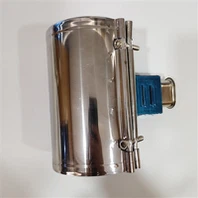
1. Cartridge water heater tubes are mostly U-shaped or special-shaped electric heating tubes with fasteners, and flanged electric heating tubes.
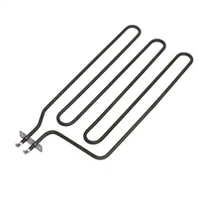
2. Dry-burning electric heating tubes are more common in cartridge electric heating tubes, U-shaped or special-shaped electric heating tubes without fasteners, finned electric heating tubes, and a very small number of flanged electric heating tubes.

Different Power:
1. The design of the cartridge water heater tube determines the power according to the heating medium.
A. Heating water per meter of electric heating tube heating zone length to do 3KW power
B. When heating corrosive liquids and water that is harder and easier to scale, the power per meter is about 2KW.
C. The maximum power per meter of heating oil is 2KW, and the power per meter of poorer and thicker oil is about 1KW.
2. The dry-burning electric heating tube is designed to determine the power according to the fluidity of the heated air
A. The power of the dry-burning electric heating tube heated in a confined space is designed to be 1KW per meter.
B. The electric heating tube with fan circulation in the flowing space is designed to have a power of about 1.5KW per meter.

Different material choices:
1. Liquid electric heating tube
A. Oil: Oil heating is normally made of stainless steel 304, but some customers who are used for experiments and pursuing low cost can also use carbon steel.
B. Water: Stainless steel 304 is used for heating tap water, and stainless steel 316 is used for drinking water. For turbid river water or water with more impurities, you can use an electric heating tube with a waterproof coating.
C. Corrosive liquid: stainless steel 316 can be used for liquids with relatively low alkaline acidity and weak corrosiveness.
2. Dry heating electric heating tube
A. If it is not used for a long time, for testing purposes, carbon steel can be used.
From the above introduction, we can know that the shape design, power design and material selection of the dry heating tube and the liquid electric heating tube are very different. Knowing how to distinguish between the liquid electric heating tube and the dry heating tube can help us quickly choose Suitable for our electric heating tube.