In the development or improvement of glass ceramic cooktops, it is critical that rapid heating, heat uniformity, and long-term reliability are successfully considered and satisfied. Appliance makers often will start their quest by choosing standard industry solutions, such as EGO radiant heating elements. While these components yield performance that can be relied on, innovative design often depends on custom engineering to meet their product requirements.
In this guide, we will look at the key engineering considerations for customizing radiant stove plates that can properly preserve the attributes that adhere to the status quo, while optimizing them for your application.
Key Customization Parameters for Radiant Stove Plates
1. Maximizing Performance through Geometric Optimization
Even though standard plates (165mm diameter) are suitable for a variety of applications, leveraging unique geometries can dramatically improve performance:
1)Accurate Control of Dimensions: Modifying the diameter (from 145mm to 210mm) and thickness to suit your specific cooktop cavity design
2)Custom Cut-Outs and Shapes: Designing anything except standard shapes and types based on how the customer would like the element to fit their mounting systems or if they are adding extra sensors.
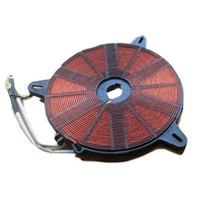
3)Designed Optimal Spiral Pattern: Considering ideal trace width and spacing in order to eliminate hot spots and distribute the heat evenly over the total cooking surface
2. Customized Electrical Engineering
Moving away from standard 1000-1500W standards also expands your options:
1)Watts Specific to Application: Designing elements rated from 800W to 2500W specifically for their appliance power architecture and/or market needs
2)Suitable Voltage: Designing elements that comply with specific regional standards (110V, 220V, 230V) with suitable safety margin allowances
3)Resistance: Controlling the resistance value (parts per million) to be predictable given the given wattage rating and temperature performance throughout the life of the element
3. Advanced Material Selection
The foundation of reliable performance lies in material science:
1)High-Grade Resistance Alloys: Utilizing optimized nickel-chromium compositions that maintain stable resistance at high temperatures
2)Superior Insulation Materials: Implementing high-purity magnesium oxide with controlled density for optimal heat transfer and electrical safety
3)Robust Terminal Systems: Designing connection points that withstand thermal cycling and prevent loosening over years of use
4)The Customization Process: Collaborative Engineering
4.Successful customization follows a structured approach:
1)Requirements Analysis Phase
A)-Detailed review of your appliance specifications and performance targets
B)-Thermal mapping of existing heating patterns
C)-Identification of specific improvement areas
2)Technical Development Stage
A)-Prototype design with 3D modeling and thermal simulation
B)-Material selection based on your cost and performance parameters
C)-Electrical engineering for optimal power delivery
3)Validation and Testing
A)-Performance verification under simulated cooking conditions
B)-Life cycle testing exceeding industry standards
C)-Compatibility testing with various cookware and control systems
4.Achieving Performance Excellence Through Customization
Properly customized radiant stove plates deliver measurable benefits:
1)Improved Temperature Uniformity: Eliminating cold spots and hot zones for consistent cooking results
2)Enhanced Energy Efficiency: Reducing heat loss through optimized geometry and material selection
3)Extended Product Lifespan: Engineering robust connections and stable resistance materials
4)Seamless Integration: Ensuring perfect mechanical and electrical compatibility with your appliance design
Customizing radiant stove plates with functionality comparable to established industry standards represents a strategic opportunity for appliance manufacturers. By focusing on precise geometric optimization, electrical engineering, and material science, it's possible to create heating solutions that not only match but exceed expectations for performance and reliability.
The true value of customization emerges when standard solutions cannot fully address your specific design requirements or performance goals. Through collaborative engineering and targeted design, manufacturers can develop radiant heating elements perfectly tailored to their unique appliance platforms.
JAYE specializes in engineering customized radiant heating solutions that meet specific application requirements while delivering consistent performance and reliability. Contact us to discuss how we can help optimize your cooktop design.
Products Description