1. Basic Principle
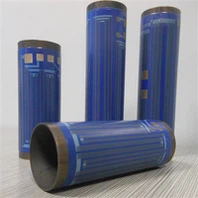
Silicone heating elements are made of flexible silicone rubber embedded with resistive heating wires. When electrical current passes through the resistive wires, they generate heat. The silicone rubber acts as an insulator and protective layer, allowing the heat to be transferred efficiently to the target surface-in this case, diesel fuel.

2. Role in Diesel Preheaters
Diesel fuel becomes more viscous at low temperatures, making it harder to pump and ignite. Silicone heating elements in diesel preheaters:
Heat the fuel lines or fuel tank gradually.
Reduce fuel viscosity in cold weather.
Ensure smooth engine starting and proper combustion.

3. How It Works in Practice
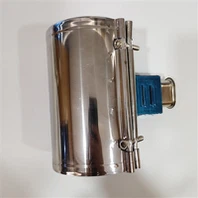
The silicone heater wraps around the fuel filter, fuel line, or tank surface.
When powered, the resistive wires inside the silicone generate even heat.
The flexible silicone allows tight contact, improving heat transfer efficiency.
The preheater warms the diesel to an optimal temperature, ensuring stable flow and ignition.
Some silicone heaters include a thermostat or temperature sensor to prevent overheating and maintain a consistent temperature.
4. Advantages for Diesel Applications
Flexible & Compact: Can be applied to irregular shapes of fuel lines or tanks.
Durable & Resistant: Silicone is resistant to oil, moisture, and vibration.
Energy Efficient: Rapidly heats diesel with minimal energy loss.
Safe: Insulated design reduces risk of short circuits or fuel ignition.