A square hot plate in kitchen equipment is a portable, flat cooking appliance that uses electricity, gas, or induction to generate heat for cooking. Hot plates are commonly used in kitchens, especially where space is limited or as an additional cooking surface. Here's an overview of how a square hot plate works:
Components of a Square Hot Plate
Heating Element:
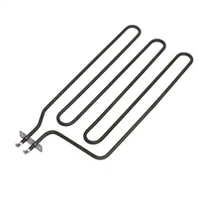
Electric Hot Plates: Use an electric coil or flat heating element that heats up when electricity passes through it.
Gas Hot Plates: Have a burner that produces a flame when gas is ignited.
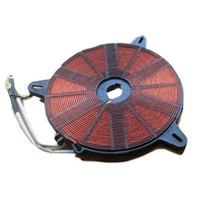
Induction Hot Plates: Use electromagnetic fields to directly heat the cookware.
Control Knobs or Digital Controls:
Allow users to adjust the temperature settings or heat intensity.
Thermostat:
Regulates the temperature to maintain consistent heat levels.
Surface Material:
Typically made of stainless steel, glass-ceramic, or cast iron for durability and easy cleaning.
Power Supply:
Electric hot plates are connected to a power outlet.
Gas hot plates are connected to a gas source.

Working Process
1. Electric Hot Plate:
Power Supply: When plugged into an electrical outlet, the hot plate receives power.
Temperature Control: The user sets the desired temperature using the control knob or digital interface.
Heating Element Activation: Electricity flows through the coil or flat heating element, causing it to heat up.
Heat Transfer: The heat from the element is transferred to the cookware placed on top of the hot plate.
Cooking: Food is cooked through conduction as heat from the cookware transfers to the food.
Thermostat Regulation: The thermostat monitors the temperature and cycles the heating element on and off to maintain the set temperature.
2. Gas Hot Plate:
Gas Supply: Connected to a gas source, such as a propane tank or natural gas line.
Ignition: The user turns the control knob, allowing gas to flow to the burner. Ignition is achieved using a spark or pilot light.
Flame Production: The gas ignites to produce a flame.
Heat Transfer: The flame directly heats the cookware.
Cooking: The food is cooked through conduction as heat transfers from the cookware to the food.
Flame Control: The user adjusts the flame size to control the heat intensity.
3. Induction Hot Plate:
Power Supply: Connected to an electrical outlet.
Induction Process: The user sets the desired temperature. The induction coil beneath the surface generates an electromagnetic field.
Direct Heating: The electromagnetic field induces a current in the ferrous cookware, directly heating it without heating the surface.
Cooking: The food is cooked through conduction as the cookware heats up and transfers heat to the food.
Safety and Efficiency: Induction hot plates are efficient and safe since they only heat the cookware, leaving the surface cool to the touch.
Advantages of Square Hot Plates
Portability: Easy to move and store, making them ideal for small kitchens or temporary setups.
Versatility: Suitable for various cooking methods, including boiling, frying, and simmering.
Ease of Use: Simple controls and quick heat-up times make them user-friendly.
Energy Efficiency: Induction hot plates are particularly energy-efficient as they heat cookware directly.
Safety Features
Auto Shut-Off: Some models have an automatic shut-off feature if no cookware is detected or if the temperature exceeds safe limits.
Cool-Touch Surface: Induction models remain cool to the touch, reducing burn risk.
Non-Slip Feet: Prevents the hot plate from sliding during use.
Usage Tips
Cookware Compatibility: Ensure cookware is compatible with the hot plate type, especially for induction models requiring ferrous metal cookware.
Temperature Monitoring: Regularly check and adjust the temperature to prevent overheating or burning food.
Cleaning: Allow the hot plate to cool before cleaning, and follow manufacturer guidelines for maintenance.