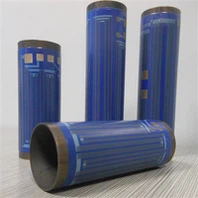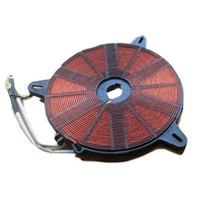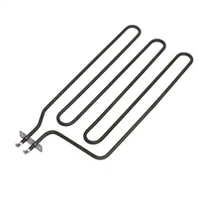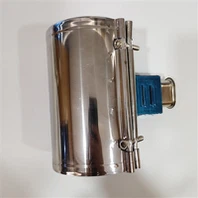
Temperature control in a flange heater is essential to maintain the desired temperature of the fluid or substance being heated. Flange heaters use various temperature control methods and devices to achieve this.
Some common ways
1. Thermostats:
- Thermostats are temperature-sensitive devices that can be integrated into the flange heater's electrical circuit. They monitor the temperature of the medium being heated.
- When the temperature reaches a setpoint (desired temperature), the thermostat can open or close an electrical contact, controlling the power supply to the heater. For example, if the temperature drops below the setpoint, the thermostat will close the circuit to activate the heater, and it will open the circuit when the temperature reaches the desired level.
2. Temperature Controllers:
- Temperature controllers are more advanced than simple thermostats and offer greater control precision. They typically include a temperature sensor (such as a thermocouple or RTD) and a control unit.
- The temperature controller continuously measures the medium's temperature and adjusts the heater's power output to maintain the setpoint. It can provide proportional-integral-derivative (PID) control, which allows for fine-tuned temperature regulation.
3. High-Limit Temperature Sensors:
- High-limit temperature sensors are safety devices designed to prevent overheating. They are usually set to a temperature above the desired operating temperature.
- If the temperature exceeds the high-limit setpoint, the sensor will trigger a safety shutdown, cutting off power to the heater to prevent damage or hazardous conditions.
4. Control Panels:
- In some applications, flange heaters are integrated into control panels that house the temperature control components. These panels may include temperature controllers, timers, and other control devices to manage the heating process.
5. Remote Control Systems:
- In certain industrial settings, flange heaters can be controlled remotely via a central control system or a programmable logic controller (PLC). This allows for centralized monitoring and control of multiple heaters in a complex heating system.
6. Manual Control:
- In simpler setups, temperature control may be manual, where an operator adjusts the power supplied to the flange heater based on periodic temperature readings.
7. Safety Interlocks:
- Flange heaters in critical processes may incorporate safety interlocks that can shut down the heater if specific conditions (e.g., pressure, flow rate) fall outside safe operating parameters.
It's essential to select the appropriate temperature control method based on the specific requirements of the heating application. The choice depends on factors such as the desired temperature accuracy, the level of automation needed, and safety considerations.
Proper calibration and regular maintenance of the temperature control components are also crucial to ensure the flange heater operates reliably and safely while maintaining the desired temperature.