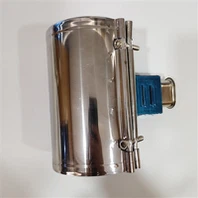
Intermediate Bulk Container (IBC) heaters are often designed with insulation layers to minimize heat loss and reduce energy consumption. Here are the common insulation methods used in IBC heaters:
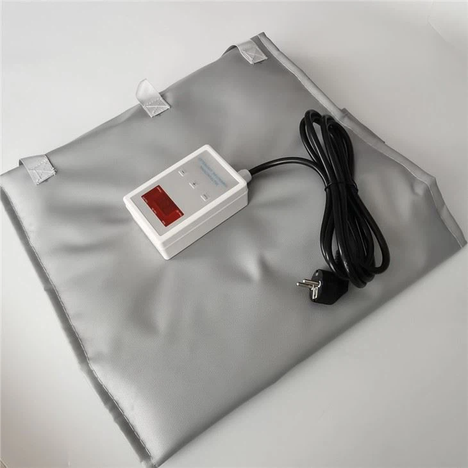
1-Insulated Jacket: IBC heaters typically feature an insulated jacket made from materials with high thermal resistance. This jacket wraps around the IBC and acts as a barrier, preventing heat loss to the surrounding environment. High-quality insulating materials ensure minimal heat dissipation.
2-Thermal Barrier Material: The interior of the IBC heater may be lined with a thermal barrier material that reflects heat back towards the container's contents. This reflective material reduces radiant heat loss, keeping the heat within the IBC and improving energy efficiency.
3-Closed-Cell Foam Insulation: Some IBC heaters incorporate closed-cell foam insulation within the jacket. Closed-cell foam has low thermal conductivity, meaning it is an excellent insulator. This type of insulation forms a barrier that minimizes heat transfer, effectively reducing heat loss and energy consumption.
4-Insulated Base: The base of the IBC heater may be equipped with additional insulation. This is particularly important as the bottom of the container is in direct contact with the ground or pallet, which can act as a heat sink. Insulating the base ensures that heat is retained within the container, optimizing energy efficiency.
5-Sealed Insulation: High-quality IBC heaters feature sealed insulation layers to prevent moisture infiltration. Moisture can significantly reduce the insulating properties of the material. Sealed insulation maintains its effectiveness over time, ensuring consistent thermal performance and minimizing heat loss.
6-Optimized Design: The IBC heater's design is often optimized to minimize gaps and seams where heat could escape. A well-fitted, seamless design ensures that the insulation functions efficiently, preventing heat from escaping and reducing the need for continuous energy input.
7-Insulated Lid/Cover: If the IBC has a removable lid or cover, it may be insulated as well. Insulating the lid ensures that heat is retained inside the container, especially in applications where the lid is frequently opened. This step further reduces heat loss and conserves energy.