1. Introduction to Industrial Electric Heating Elements
In industrial settings, electric power serves as the primary energy source for most heating equipment. Jaye Heater, a leading manufacturer in this field, produces fully electric heating systems featuring core components crafted from advanced electric heating rods. These essential heating elements are commonly fabricated from steel or stainless steel, making them ideal for general-purpose water heating and similar liquid-based applications due to their inherent anti-corrosion properties.
Beyond basic steel variants, corrosion-resistant alloys have expanded the capabilities of heating elements. Materials like copper and titanium, for instance, offer enhanced tolerance to high temperatures and harsh, corrosive substances. In recent years, specialized alloys such as Inconel® and Incoloy® have emerged, unlocking new possibilities for high-performance industrial applications that demand exceptional material resilience.
2. Applications of Tubular Electric Heating Elements
Tubular heating elements stand as the backbone of industrial heating systems, delivering tailored advantages that align with specific operational requirements. The process of selecting the right heating element begins with a thorough assessment of the medium it will interact with-whether liquid, gas, or solid-since the medium's chemical composition and physical properties directly influence material compatibility.
At their core, industrial heating elements facilitate the efficient conversion of electrical energy into thermal energy.
This functionality makes them indispensable in heat treatment processes, where they enable the achievement of exact temperature profiles. They also serve as supplementary heat sources in air handling systems and space heaters, providing consistent warmth in commercial and industrial facilities.
The controlled heating mechanism of these elements ensures safe operation even at high power levels, making them a staple in industrial, commercial, and residential environments alike.
Their versatility is evident in their widespread use across appliances and equipment, including furnaces, industrial ovens, water heaters, toasters, clothes dryers, medical devices, and automotive heating systems.

3. Key Factors in Heating Element Material Selection
The production of electric heating elements involves a strategic selection of materials based on three primary considerations: the specific industry or application, the operating temperature range, and the environmental conditions. For immersion heaters-elements designed to be submerged in liquids or gases-material performance is even more critical. These components require materials that can resist degradation at extreme temperatures while withstanding erosion caused by prolonged contact with the medium.
Material choice exerts a long-term impact on three critical performance metrics: energy efficiency, product durability, and operational safety. Consequently, these factors are not merely secondary considerations but integral to the material selection process. A well-chosen material ensures that the heating element operates at peak efficiency, maintains structural integrity over time, and minimizes safety risks for both equipment and personnel.
4. Common Materials for Electric Heating Elements
4.1 Stainless Steel
Stainless steel ranks among the most widely used materials for electric heating elements, thanks to its exceptional corrosion resistance and long-lasting durability. Defined by a minimum chromium content of 10.5%, stainless steel derives its protective properties from a thin oxide layer that forms on its surface. This layer acts as a barrier against oxidation, even under the demanding conditions typical of industrial environments.
Its versatility makes stainless steel suitable for a broad range of applications, with particular prominence in water heating systems. It is also the material of choice for general-purpose heating applications where corrosion resistance is a primary concern, offering a reliable balance of performance and cost-effectiveness.
4.2 Copper and Copper Alloys
Copper and its alloys are valued for their exceptional electrical conductivity-a property that enhances heating efficiency-and their inertness when in contact with water. These characteristics make copper heating elements an excellent choice for water heaters and other fluid-heating devices, where efficient energy transfer and compatibility with the medium are essential.
One notable consideration with copper is its tendency to oxidize when exposed to atmospheric oxygen over extended periods. While this oxidation does not significantly impair its heating performance, it requires consideration during installation and maintenance to ensure long-term reliability.
4.3 Titanium
Titanium stands out for its extraordinary corrosion resistance, particularly in extreme environments. Combining lightweight properties with exceptional durability, titanium heating elements are recommended for specialized applications involving highly corrosive substances or harsh operating conditions. Its ability to maintain structural integrity in environments that would degrade other materials makes it a premium choice for demanding industrial processes.
4.4 Nickel-Based Superalloys (Inconel® and Incoloy®)
Nickel-based superalloys such as Inconel® and Incoloy® are engineered for use in the most extreme industrial environments-those characterized by high temperatures, high pressure, or aggressive chemical exposure. These materials offer superior corrosion resistance and the ability to withstand attacks from chemical compounds, even when combined with the kinetic energy present in high-flow systems.
Their robust performance makes them indispensable for industrial applications operating above 1,600°F, where standard materials would fail. The unique combination of thermal stability and chemical resistance positions these superalloys as the gold standard for high-performance heating elements.
5. Custom Design Capabilities for Heating Elements
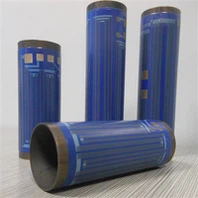
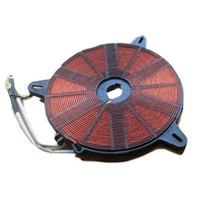
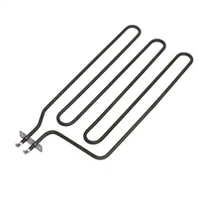
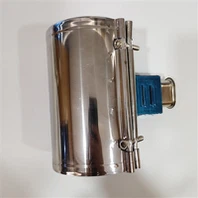
The effectiveness of a heating element depends not only on material selection but also on its design. Jaye Heater addresses this by offering fully customizable heating elements, fabricated at the factory into rods, coils, or other application-specific shapes and sizes. This tailored approach serves two critical purposes: maximizing heat transfer efficiency and ensuring a perfect fit within the target heating system.
By aligning the element's design with the unique requirements of the application, Jaye Heater ensures that each component operates at optimal performance levels. Whether the need is for a compact coil for a medical device or a large, custom-shaped rod for an industrial furnace, the company's manufacturing capabilities can accommodate diverse specifications.
6. Jaye Heater's Specialized Heating Element Solutions
Jaye Heater specializes in crafting heating elements for extreme operating environments, leveraging the superior properties of nickel-based superalloys like Inconel® and Incoloy®.
These materials are chosen for their exceptional corrosion resistance and ability to thrive under high-pressure, high-kinetic-energy conditions-environments that would compromise standard alloys.
In addition to their corrosion resistance, Jaye Heater's superalloy elements offer outstanding thermal stability, withstanding extreme temperatures and exposure to aggressive chemicals that would degrade conventional heating elements.
As the core component of any industrial heater, the heating element's alloy selection is a critical factor in the overall performance and safety of the heating system.
Jaye Heater's engineering approach focuses on matching the right material to the specific temperature range, corrosion challenges, and mechanical stresses of each application.
This targeted strategy ensures that every heating element delivers a long service life and reliable performance, even in the most demanding industrial settings.
For more detailed information about product specifications and capabilities, visitors can explore Jaye Heater's official resources.
7. Frequently Asked Questions (FAQs)
Q1: What is the best material for heating elements in corrosive environments?
A1: For applications involving high levels of corrosion, Jaye Heater recommends titanium and nickel-based superalloys such as Inconel® and Incoloy®. These materials exhibit exceptional resistance to chemical attack, erosion, and oxidation, making them ideal for harsh industrial environments where standard materials would fail.
Q2: What maintenance do electric heating elements require?
A2: Regular inspection is essential to identify signs of corrosion, wear, or physical damage. Maintaining efficiency also requires periodic cleaning to remove deposits or buildup on the element's surface. Additionally, ensuring that electrical connections remain tight and free from corrosion is critical for safe operation. Following the manufacturer's recommended service intervals is the best way to extend the heating element's service life.
Q3: How long do electric heating elements typically last?
A3: The lifespan of an electric heating element depends on several factors, including operating temperature, environmental conditions, material selection, and maintenance practices. With proper care and maintenance, Jaye Heater's heating elements are designed to deliver reliable performance for many years, with typical industrial service lives ranging from 5 to 10 years or more.
Q4: What is the maximum safe operating temperature for Jaye Heater's elements?
A4: Jaye Heater's heating elements are engineered to operate safely at temperatures exceeding 1,600°F (870°C). For certain applications, specialized superalloy elements and custom designs can withstand even higher temperatures, depending on the specific alloy composition and installation parameters.
Q5: Does Jaye Heater offer custom-shaped heating elements?
A5: Yes, Jaye Heater provides fully customizable heating elements, offering a wide range of shapes, sizes, and designs. This customization ensures that each element fits perfectly within the target system and delivers optimal heat transfer performance for the specific application.
Q6: Can Jaye Heater's elements be used for both air and water heating?
A6: Absolutely. Jaye Heater's heating elements are designed to deliver reliable performance in various air-heating applications, as well as in liquid-heating processes involving water, oil, and other fluids. The appropriate element is selected based on material compatibility and design
considerations tailored to the specific medium.
8. About Jaye Heater's Product Range
Jaye Heater invites interested customers to request a quote for heating elements tailored to their specific needs. Beyond heating elements, the company manufactures a comprehensive line of industrial heating products, including infrared heaters, temperature control panels, and circulation heaters. For a complete overview of available products and solutions, visitors can access the full product catalog through Jaye Heater's official website.

One-stop Heating Elements Factory in China
请替换当前内容 Send your inquiry about cosmetic tubes to us and experience the transformative power it can have on your business or brand. With our premium packaging solutions, you can elevate your products, captivate your customers, and unlock new opportunities for growth and success in the beauty indsty.