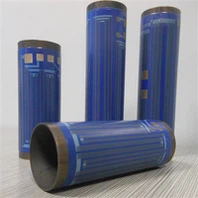
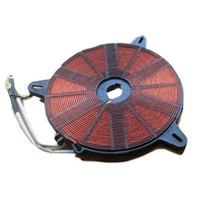
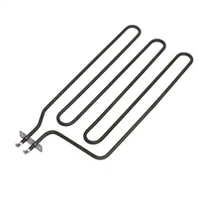
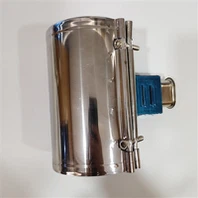
A tubular heater used in washing machines works by converting electrical energy into heat, which then warms the water in the washing drum. Here's a breakdown of how it functions:
Electric Current: When the washing machine is turned on, electricity flows through the tubular heating element, which is usually made of metal (such as stainless steel or copper). These materials have a high resistance to electrical current.
Resistive Heating: As electricity passes through the tubular element, it encounters resistance, which causes the element to heat up. This process is known as resistive heating, and the energy from the electrical current is transformed into heat.
Heat Transfer: The heat generated by the heating element is transferred to the water inside the drum, raising its temperature. Tubular heaters are designed to have a large surface area in contact with the water to maximize heat transfer.
Temperature Control: In most washing machines, a thermostat or temperature sensor is integrated into the system. It monitors the water temperature and switches the heater on and off to maintain the desired temperature. When the water reaches the set temperature, the thermostat signals the heater to turn off.
Efficient Heating: Tubular heaters are efficient because of their design, which ensures even heat distribution, preventing overheating in certain areas of the drum. This results in consistent and reliable heating of the water, helping to improve washing efficiency.
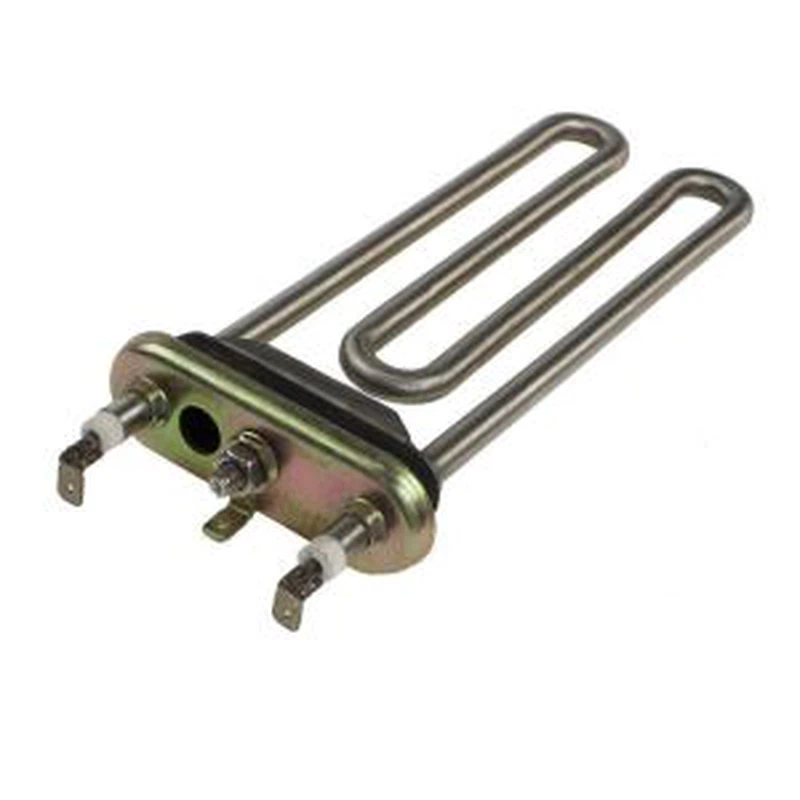
Washing machine heaters have several important applications, primarily in ensuring that the water inside the machine reaches the optimal temperature for effective washing and cleaning. Here are the main applications:
Heating Water for Cleaning: The primary application of washing machine heaters is to heat the water to the required temperature for washing clothes. This is especially important for tasks like stain removal, disinfecting, and ensuring that detergents work more effectively at higher temperatures.
Maintaining Consistent Water Temperature: Some washing machines have different wash cycles with varying temperature requirements. The heater ensures the water stays at the selected temperature throughout the wash cycle, providing optimal conditions for washing clothes, especially in cycles that require hot or warm water.
Improving Detergent Effectiveness: Many detergents and laundry additives perform better when mixed with warm or hot water. A washing machine heater helps to maintain the right temperature to activate and dissolve the detergent more efficiently, resulting in better cleaning performance.
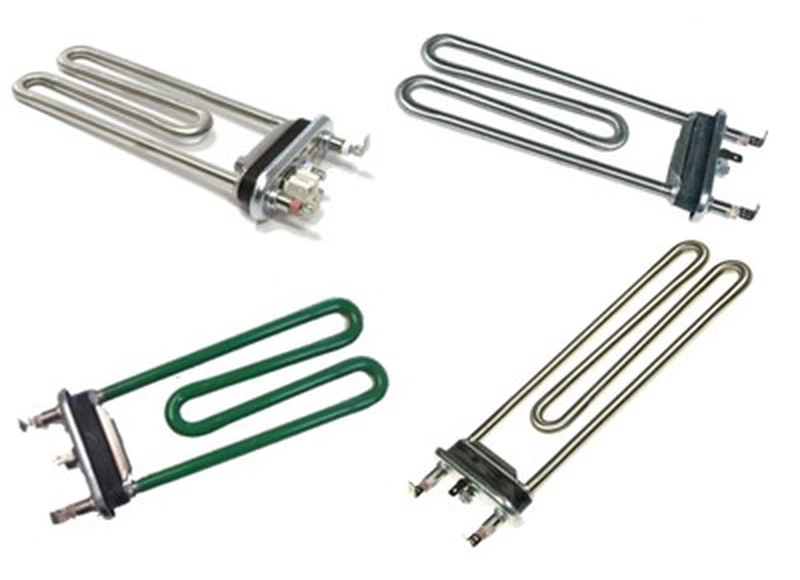
Sanitization: Washing machine heaters help in sanitizing laundry, especially with hot water cycles. Hot water can kill bacteria, germs, and allergens that may be present in the fabrics, offering an added layer of cleanliness for sensitive items, like bedding, towels, and undergarments.
Energy Efficiency: Modern washing machines with built-in heaters offer more energy-efficient heating mechanisms, allowing the water to reach the desired temperature faster. This can help reduce energy consumption compared to older models that may rely on external water heating.
Adaptability for Various Fabrics: Some fabrics, such as delicates or wool, may require specific temperature settings. A heater ensures the washing machine can cater to a wide range of fabric types, helping protect clothes from damage due to improper washing temperatures.