A mechanical timer in an oven typically supports various temperature settings indirectly by controlling the duration of the heating element's operation rather than directly adjusting the temperature itself. Here's how it works:
1-Temperature Control Knob: The oven usually has a temperature control knob that allows users to set the desired cooking or baking temperature. This knob is often marked with temperature values (e.g., 250°F or 350°F).
2-Mechanical Timer Knob: In addition to the temperature control knob, there is a separate mechanical timer knob. This knob allows users to set the duration for which the oven will remain active at the selected temperature. It is usually marked with units of time (e.g., minutes).
3-Setting the Temperature: When you want to cook or bake at a specific temperature, you turn the temperature control knob to the desired temperature setting. For example, if you want to bake at 350°F, you set the temperature control knob to that value.
4-Setting the Timer: After selecting the temperature, you then set the mechanical timer knob to the desired cooking time. The timer starts counting down from this set time once the oven is turned on.
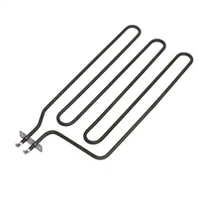
5-Operation: When you turn on the oven, it begins heating up to reach the selected temperature. The heating element(s) inside the oven will generate heat until the oven's thermostat senses that the desired temperature has been reached.
6-Temperature Maintenance: Once the oven reaches the set temperature, it will cycle on and off to maintain that temperature. The mechanical timer is not directly involved in temperature regulation but ensures that the oven stays active for the set duration.
7-Timer Completion: When the mechanical timer reaches zero, it will trigger a mechanism (often a bell or buzzer) to alert you that the cooking or baking time has elapsed. The oven will continue to maintain the set temperature until manually turned off.