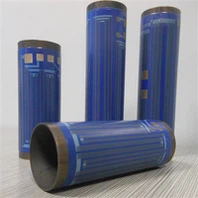
Polyimide (PI) film heaters are known for their flexibility, thinness, and a variety of beneficial properties that make them suitable for a wide range of applications. Here's how the flexibility and thinness of PI film heaters contribute to their usability in various applications:
1. Conformability: PI film heaters are highly flexible and can conform to irregular shapes and contours. This property allows them to be easily integrated into complex and curved surfaces, making them ideal for applications where traditional rigid heaters cannot be used effectively.
2. Space Efficiency: PI film heaters are incredibly thin, typically only a few millimeters thick. Their slim profile allows them to be installed in tight spaces where thicker heating elements would be impractical. This is especially valuable in applications with limited available space.
3. Lightweight: PI film heaters are lightweight compared to many other heating solutions. This makes them suitable for applications where weight considerations are important, such as aerospace, automotive, and portable electronic devices.
4. Rapid Heat Transfer: The thinness of PI film heaters enables rapid heat transfer. They can heat up quickly and distribute heat evenly across their surface, ensuring efficient heating performance in various applications.
5. Energy Efficiency: PI film heaters are energy-efficient because they provide direct and uniform heating to the target area. This efficiency can result in lower energy consumption compared to some other heating methods.
6. Customization: PI film heaters can be custom-designed and manufactured to meet specific heating requirements. This flexibility in design allows them to be tailored to the precise dimensions and heat output needed for a particular application.
7. Chemically Inert: Polyimide films are chemically inert and resistant to many chemicals, solvents, and oils. This property makes PI film heaters suitable for applications in harsh or corrosive environments, including chemical processing and certain industrial processes.
8. Durability: PI film heaters are durable and can withstand repeated flexing and bending without compromising their heating performance. This durability contributes to their longevity and reliability in various applications.
Applications where PI film heaters are commonly used include:
Medical devices (such as heated catheters and diagnostic equipment).
Electronics manufacturing (for soldering, curing, and bonding processes).
Aerospace (de-icing systems, cabin heating).
Automotive (seat heating, mirror defogging, battery heating).
Semiconductor processing (wafer and die bonding).
Laboratory equipment (hot plates and thermal desorption systems).
Food processing (heating trays and sealing equipment).
Consumer electronics (smartphones, tablets, and wearables).
Overall, the flexibility and thinness of PI film heaters make them versatile and adaptable for a wide range of heating applications, especially those that require precise and efficient heat distribution in challenging environments or tight spaces.