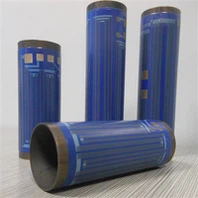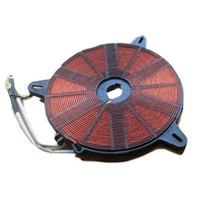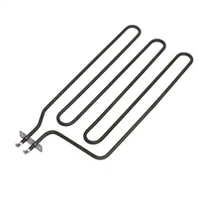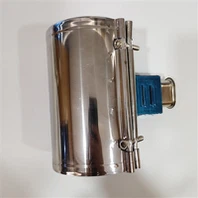
The electrical insulation property of silicone rubber is crucial for the safety of heaters, particularly in high-voltage applications. Here's an explanation:
1. Dielectric Strength: Silicone rubber has excellent dielectric strength, meaning it can withstand high electric fields without breaking down. This property is essential in high-voltage applications where the electric potential difference between conductive elements is significant. The high dielectric strength prevents electrical arcing and insulation failure, ensuring the safety and reliability of the silicone rubber heater.
2. Prevention of Electrical Leakage: Silicone rubber's inherent insulating properties help prevent electrical leakage. In high-voltage environments, any unintended flow of electrical current can lead to safety hazards, equipment damage, or malfunction. Silicone rubber's ability to resist electrical leakage contributes to the overall safety of the heater by maintaining the integrity of the insulation barrier.
3. Resistance to Tracking and Erosion: Tracking is the formation of conductive paths on the surface of an insulating material due to electrical stress. Silicone rubber's resistance to tracking and erosion is beneficial in high-voltage conditions where the potential for surface breakdown exists. This resistance minimizes the risk of surface tracking, which could compromise the insulating layer and lead to electrical failure.
4. Thermal Stability: High-voltage applications often generate heat, and the thermal stability of silicone rubber is an additional safety feature. Silicone rubber can maintain its electrical insulation properties over a wide temperature range, ensuring that the insulation remains effective even in demanding thermal conditions.
5. Flexibility and Conformability: Silicone rubber is known for its flexibility and conformability. This is advantageous in high-voltage applications where complex shapes or irregular surfaces need to be covered. The material can be molded or shaped to fit the specific geometry of the application, providing a continuous and effective insulation layer.
6. Moisture Resistance: Silicone rubber is inherently moisture-resistant. In high-voltage environments, moisture can compromise the insulation properties of materials, leading to reduced dielectric strength and increased risk of electrical breakdown. The moisture-resistant nature of silicone rubber helps maintain consistent electrical insulation performance.
In summary, the electrical insulation properties of silicone rubber, including its high dielectric strength, resistance to tracking, thermal stability, flexibility, and moisture resistance, collectively contribute to the safety and reliability of heaters in high-voltage applications. These properties help prevent electrical failures, minimize the risk of arcing, and ensure the longevity of the heater in demanding electrical environments.