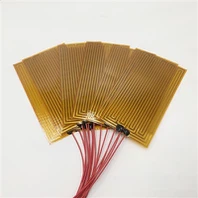
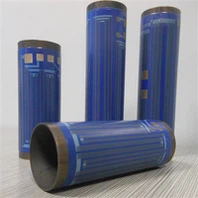
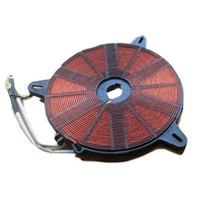
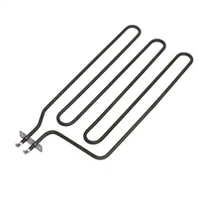
Spring heating coils in coffee machines function as efficient heating elements that rapidly heat water to the optimal brewing temperature. Here's how they work:
1. Electrical Resistance Heating
Spring heating coils are made of high-resistance materials such as nichrome (NiCr) or stainless steel, which generate heat when an electric current passes through them. The coil's shape provides a large surface area for effective heat transfer.
2. Heat Transfer to Water
The heating coil is either embedded in a metal heating block (thermoblock) or placed in direct contact with a water reservoir or tube. The heat generated by the coil quickly raises the water temperature to the desired brewing level, typically 90-96°C (195-205°F).

3. Consistent and Rapid Heating
Spring heating coils ensure fast and even heating. Some coffee machines use a continuous-flow heating system, where water passes through the coil, getting heated instantly before dispensing. This allows for quick coffee preparation without waiting for a full tank to heat up.
4. Temperature Control
To prevent overheating, coffee machines integrate thermostats or temperature sensors that regulate power supply to the heating coil. This ensures water stays at an ideal temperature for optimal coffee extraction without scorching the coffee grounds.

5. Energy Efficiency
Spring heating coils are compact and heat up quickly, making them energy-efficient compared to bulkier heating systems. They also contribute to precise temperature control, which is crucial for brewing high-quality coffee.
Applications in Coffee Machines
Espresso Machines: Instant heating for pressurized water flow.
Drip Coffee Makers: Continuous water heating for steady brewing.
Single-Serve Coffee Machines: Quick, on-demand heating for pod-based brewing.