Coil heating elements are widely used in beverage equipment such as coffee machines, water dispensers, and tea brewers. Their function is to efficiently heat liquids to the desired temperature while maintaining energy efficiency and durability. Here's how they work in beverage equipment:
1. Electrical Resistance Heating
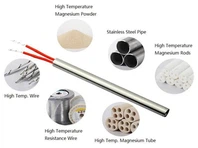
Coil heating elements operate on the principle of electrical resistance heating. When an electrical current passes through the heating coil (which is typically made of nickel-chromium alloy or stainless steel), it encounters resistance, generating heat.

2. Direct or Indirect Heating
Direct Heating: In some beverage equipment, the coil heating element is in direct contact with the liquid, allowing for rapid heat transfer.
Indirect Heating: In other cases, the coil is embedded in a heating chamber or metal tube, transferring heat indirectly to the beverage.
3. Temperature Control and Regulation
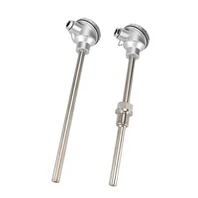
Beverage equipment integrates thermostats or temperature sensors to control the coil heating element. This ensures that the liquid reaches the desired temperature without overheating, which is crucial for beverages like coffee and tea that require precise heat levels.

4. Heat Retention and Energy Efficiency
Many modern coil heating elements are designed with insulation and advanced materials to improve heat retention and reduce energy consumption. This helps maintain the beverage temperature with minimal power usage.
5. Rapid Heating and Continuous Operation
Coil heating elements in beverage equipment are designed for fast heat-up times and continuous operation, ensuring that the beverage is heated quickly and remains at the optimal serving temperature.