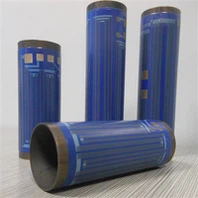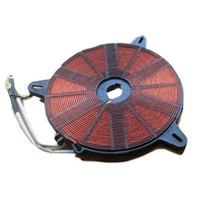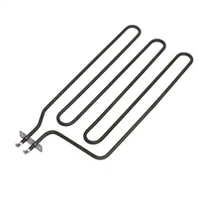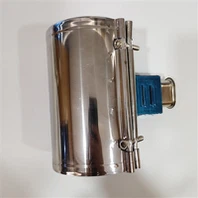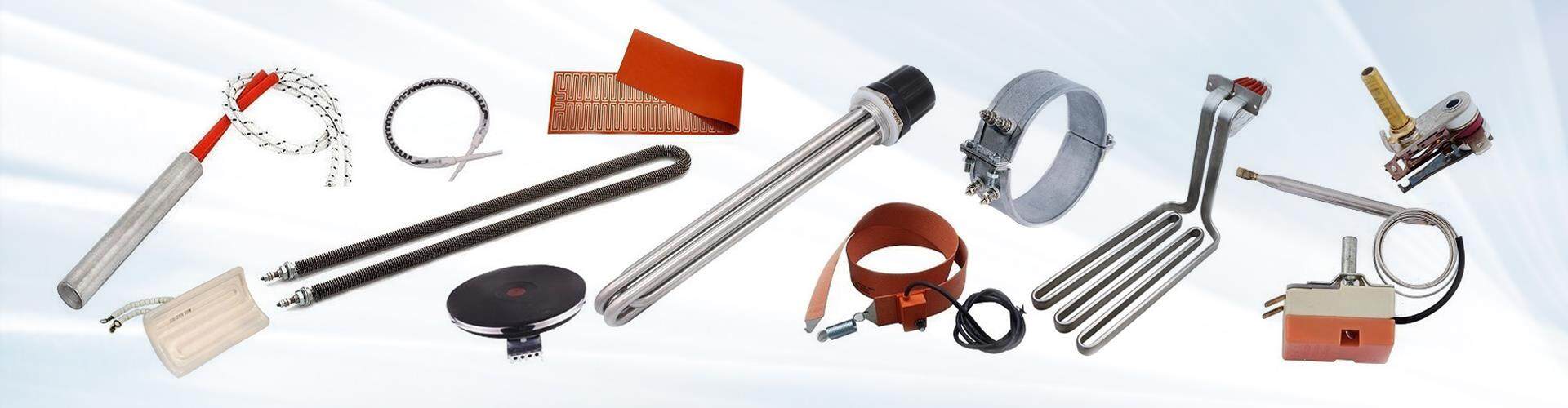
A radiant hot plate (or radiant heating element) for glass-ceramic cooktops works by using electric resistance heating to generate heat, which is then transferred to the cooking vessel through infrared radiation and direct contact. Here's how it functions:
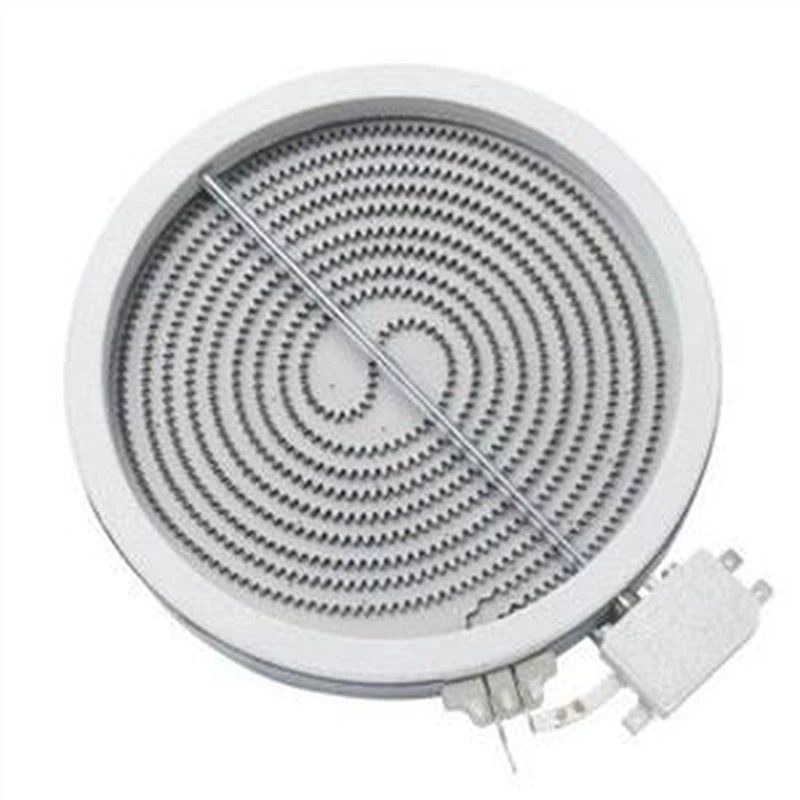
1. Heating Element Design
The hot plate consists of a coiled metal wire (usually nichrome) embedded in a metal or ceramic housing.
When electricity flows through the coil, it heats up due to electrical resistance.
The heat is radiated upward and conducted through the metal housing to the glass-ceramic surface.
2. Heat Transfer to the Cooktop
The glass-ceramic cooktop sits directly above the heating element.
The material is designed to be heat-resistant and transparent to infrared radiation, allowing most of the heat to pass through to the cookware.
Unlike induction cooktops (which heat the pan directly via magnetic fields), radiant hot plates heat the glass surface first, which then transfers heat to the cookware.
3. Heat Distribution
The metal coil heats unevenly, leading to hotspots unless the cooktop has a flattened or ribbon-style element for better distribution.
Some models use halogen bulbs (as auxiliary heating) for faster response times.

4. Control & Efficiency
The temperature is regulated by adjusting the electrical current (via knobs or touch controls).
Energy efficiency is lower than induction because some heat is lost to the surrounding air and glass surface.
Pros & Cons Compared to Induction
| Feature | Radiant Hot Plate | Induction Cooktop |
|---|---|---|
| Heating Method | Heats glass, then pan | Directly heats pan via magnetism |
| Speed | Slower to heat | Very fast |
| Energy Efficiency | ~60-70% | ~85-90% |
| Cookware Compatibility | Works with any pan | Requires magnetic pans |
| Safety | Glass stays hot after use | Surface stays relatively cool |
Conclusion
Radiant hot plates are a traditional electric heating method for glass-ceramic cooktops, providing consistent heat but with slower response times and lower efficiency than induction. They remain popular due to their simplicity and compatibility with all types of cookware.