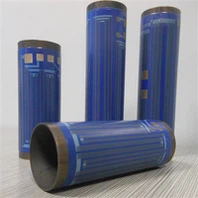
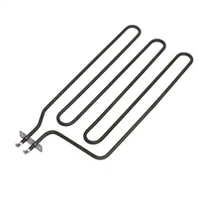
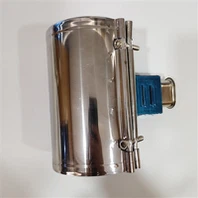
A PI film heater, also known as a polyimide film heater, operates based on the principles of electrical resistance heating. It consists of a thin film made from a polyimide material that has excellent thermal stability, electrical insulation properties, and flexibility. Here's how a PI film heater operates:
1. Polyimide Film: The core component of a PI film heater is the polyimide film itself. This film is typically very thin and flexible, which makes it suitable for a variety of applications, including heating.
2. Resistance Wire or Etched Traces: Within the polyimide film, there are one or more conductive elements. These conductive elements can be in the form of a resistance wire or etched traces. The choice of the element depends on the specific design and requirements of the heater.
3. Electrical Current: When an electrical current is applied to the conductive elements in the polyimide film, it encounters resistance. This resistance generates heat according to Joule's law, which states that the power (heat) produced is directly proportional to the square of the current passing through the resistance and inversely proportional to the resistance itself.
4. Heat Generation: As electrical current flows through the conductive elements within the polyimide film, it generates heat. The heat is then distributed evenly across the surface of the film, making it suitable for various heating applications.
5. Temperature Control: To control the temperature of the PI film heater, an external temperature controller is often used. This controller regulates the electrical current flowing through the heater to maintain the desired temperature.
6. Applications: PI film heaters are used in a wide range of applications, including:
- Medical devices: Such as blood analyzers, IV fluid warmers, and diagnostic equipment.
- Aerospace and aviation: For de-icing aircraft components, keeping critical systems warm, or preventing condensation.
- Electronics: For thermal management of components in electronic devices.
- Food processing: To heat and maintain the temperature of food processing equipment.
- Laboratory equipment: For maintaining precise temperatures in various lab instruments.
7. Advantages: PI film heaters offer several advantages, including their flexibility, lightweight nature, rapid heating capabilities, and uniform heat distribution. Additionally, they can be custom-designed to fit specific shapes and sizes, making them versatile for various applications.
8. Safety Considerations: While PI film heaters are generally safe, it's essential to monitor and control their temperature carefully to prevent overheating and potential damage. Temperature sensors and thermal cutoff devices can be incorporated for added safety.
In summary, PI film heaters operate by passing an electrical current through a polyimide film with embedded conductive elements, generating heat through electrical resistance. They find use in numerous applications where flexible and precise heating is required.