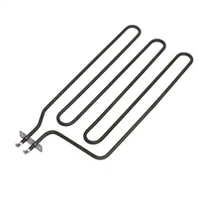
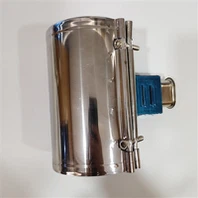
Heating elements help convert electricity into heat. However, to understand how a heating element works, we must remember some basic electricity lessons.
First, conductors are good carriers of electricity. Conversely, insulators are bad carriers of electricity. Both conductors and insulators provide resistance to electric currents that flow through them, although in different amounts. Conductors offer a low resistance, while insulators offer a high level of resistance. So, electronic circuits include resistors, which control how much current flow. Finally, how does a heating element work?“Resistors work by converting electrical energy to heat energy. In other words, they get hot when electricity flows through them. But it’s not just resistors that do this. Even a thin piece of wire will get hot if you force enough electricity through it. That is the basic idea behind incandescent lamps (old-fashioned, bulb-shaped lights). Inside the glass bulb, there is a very thin coil of wire called a filament.When enough electricity flows through it, it glows white hot, very brightly—so it’s really making light by making heat.” As a result, heating elements provide a sturdy electrical component that produces heat when a large electric current flows through it.