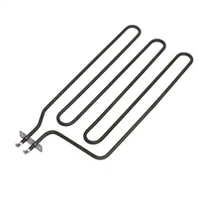
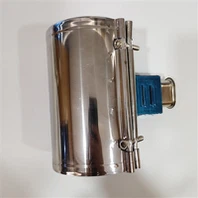
Ceramic bobbin heaters operate based on the principles of electrical resistance heating. Here is a basic explanation of how a ceramic bobbin heater works:
1. Heating Element:
The core of a ceramic bobbin heater is a resistance wire, often made of materials like nickel-chromium (Nichrome) alloy. This wire is wound around a ceramic bobbin, which serves as both electrical insulation and a structural support.
2. Insulation:
The ceramic bobbin provides electrical insulation, preventing the flow of electricity from the heating element to the outer casing or the medium being heated. This insulation is essential for safety and efficient heat transfer.
3. Current Flow:
When an electric current is applied to the heating element, the resistance wire resists the flow of electricity. This resistance causes the wire to heat up, reaching high temperatures depending on the electrical power applied.
4. Heat Transfer:
The generated heat is transferred from the resistance wire to the surrounding ceramic bobbin and, subsequently, to the external environment. The ceramic material is chosen for its ability to withstand high temperatures and provide good thermal conductivity.
5. Enclosure:
The ceramic bobbin heater is typically enclosed in a protective sheath made of stainless steel or other heat-resistant materials. This outer casing shields the heater from external elements and contributes to safety.
6. Versatility:
The design of ceramic bobbin heaters allows for flexibility in terms of size, shape, and wattage, making them suitable for a wide range of industrial processes and applications.