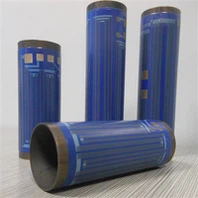
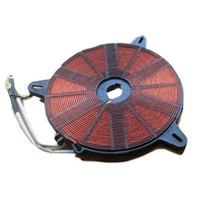
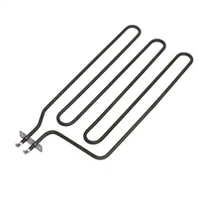
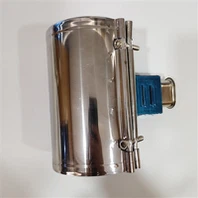
A bobbin heater transcends the basic function of simple heat generation by functioning as an integrated thermal management component. Its distinctive design-a resistive coil wound around a high-purity ceramic bobbin-is engineered not just for insulation but for controlled heat flow. This architecture makes it uniquely suited for applications where precise temperature stability and efficient heat direction are critical within severe spatial constraints.

The operational excellence of a bobbin heater is rooted in several key design principles:
1.Engineered Thermal Flow: Unlike surface heaters that radiate heat broadly, the bobbin's cylindrical form allows for targeted heat transfer. The coil's geometry can be optimized to concentrate thermal output along its length or towards its core, enabling designers to channel energy precisely where it is needed, thereby improving system efficiency.
2.Ceramic-Core Stability: The ceramic bobbin is more than an insulator; it acts as a thermal buffer. Its high thermal mass and stability prevent rapid temperature spikes, ensuring gradual, consistent heating. This inherent thermal regulation minimizes the risk of localized overheating, which is crucial for protecting sensitive adjacent components and extending the heater's service life.
3.Robust Termination for Demanding Environments: The metal terminals are engineered for more than just electrical connection; they are designed to withstand mechanical stress and thermal cycling. This robust interface ensures reliable performance in high-vibration or fluctuating temperature environments, a common point of failure in less durable heating elements.
In summary, the bobbin heater excels as a solution for precision heating by combining targeted thermal flow, inherent temperature stability, and mechanical resilience, making it ideal for advanced industrial and laboratory equipment.