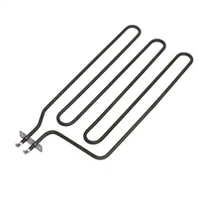
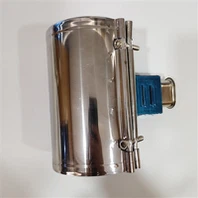
A submersible water heater for oil, more accurately called an immersion heater or oil immersion heater, is an electric heating element installed directly into a tank or vessel containing oil. Its primary job is to heat the oil to a desired temperature and maintain it there.
Here's a detailed breakdown of how they work:
Core Principle: Direct Immersion & Electric Resistance
- The fundamental principle is direct heat transfer via electric resistance.
- Immersion: The heater is "submersed" or inserted directly into the oil. This allows for maximum surface area contact between the heater and the fluid.
- Resistance Heating: When electricity passes through the heating element (usually made of a metal like stainless steel, incoloy, or copper), the element resists the electrical current. This resistance converts the electrical energy directly into heat energy.
- Heat Transfer: The generated heat is conducted through the metal sheath of the heater and is transferred directly to the surrounding oil via convection. The oil near the heater warms up, becomes less dense, rises, and is replaced by cooler oil, creating a natural circulation that evenly distributes the heat.
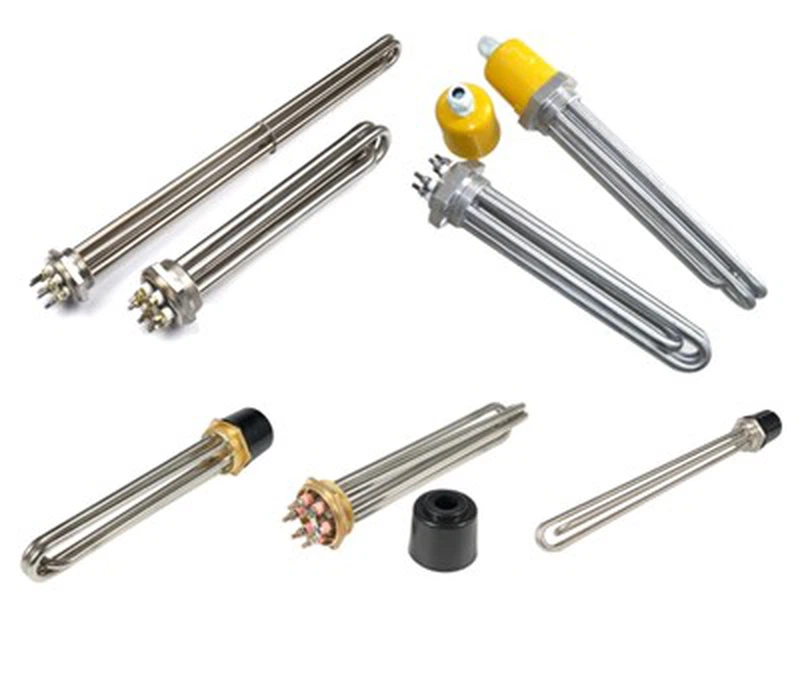
Key Components of an Submersible Water Heaters System
A typical system consists of:
- Heating Element: The metal tube or rod that gets hot. It's often arranged in a "U", "flanged," or "screw-plug" shape to maximize surface area within the tank.
- Sheath: The outer metal casing that protects the internal resistive wire and electrically insulating material (like magnesium oxide) from the oil. The sheath material is chosen to be compatible with the oil type and temperature (e.g., stainless steel for most applications).
- Thermostat / Temperature Controller: This is the brain of the operation. A temperature sensor (often a thermocouple built into the heater assembly) monitors the oil temperature. When the oil drops below the set point, the thermostat allows power to flow to the element. Once the set temperature is reached, it cuts the power. This cycling maintains a consistent temperature.
- Terminal Enclosure: A waterproof housing where the electrical connections are made, keeping them safe from moisture and oil vapors.,

Advantages of Using Submersible Water Heaters for Oil
- High Efficiency: Direct contact with the oil allows for extremely efficient heat transfer, with very little wasted energy.
- Simplicity and Reliability: They have no moving parts, making them robust and long-lasting with minimal maintenance.
- Precise Temperature Control: Integrated thermostats allow for very accurate temperature management, which is crucial for many processes.
- Localized Heating: They heat the oil directly in the tank, eliminating heat loss from long pipe runs.
- Safety: Modern designs include multiple layers of thermal and electrical protection.