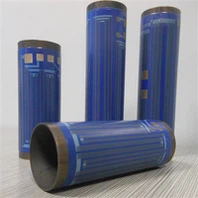
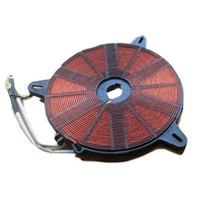
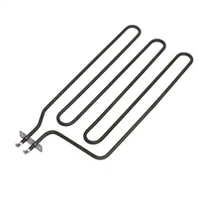
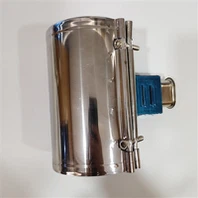
Chemical separation (e.g., sedimentation, stratification, or crystallization) occurs when components in a mixture settle or solidify due to temperature fluctuations. Silicone drum heaters address this by providing consistent, controlled heat to maintain uniform material properties.

Here's how they work:
1. Uniform Heat Distribution
Even Warming: Silicone heaters wrap tightly around the drum, eliminating cold spots that cause localized solidification or settling (e.g., in waxes, oils, or viscous chemicals).
Precision Temperature Control: Integrated thermostats or PID controllers maintain temperatures within ±1–2°C, preventing thermal cycling that accelerates separation.
2. Maintaining Optimal Viscosity
Preventing Solidification: Heaters keep materials like molten sulfur, resins, or adhesives above their pour point, ensuring they remain pumpable and homogenous.
Reducing Agglomeration: In suspensions (e.g., slurries or pigments), heat prevents particle clumping or settling.
3. Avoiding Stratification
Density Equalization: In multi-component liquids (e.g., solvents or emulsions), heat reduces density differences that cause layers to form.
Passive Mixing: Gentle convection currents from heated walls promote natural circulation, reducing the need for mechanical agitators.
4. Case-Specific Applications
Crystallization Prevention: For chemicals like sodium hydroxide (NaOH) or fatty acids, heaters keep temperatures above crystallization thresholds.
Hygroscopic Materials: Prevents moisture absorption in stored chemicals (e.g., certain salts or alcohols) by maintaining stable conditions.
5. Safety & Efficiency Benefits
Low Surface Temperatures: Silicone heaters avoid hotspots (unlike bare metal bands), reducing degradation risks.
Energy Efficiency: Targeted heating minimizes energy waste compared to space heaters or steam jackets.