Seed starting heat mats are specially designed devices that create a warm environment for seed germination by gently heating the soil or growing medium. This controlled heat promotes faster and more uniform seed sprouting, as many plant seeds require a consistent soil temperature to germinate effectively. Here's how they work:
1. Temperature Regulation
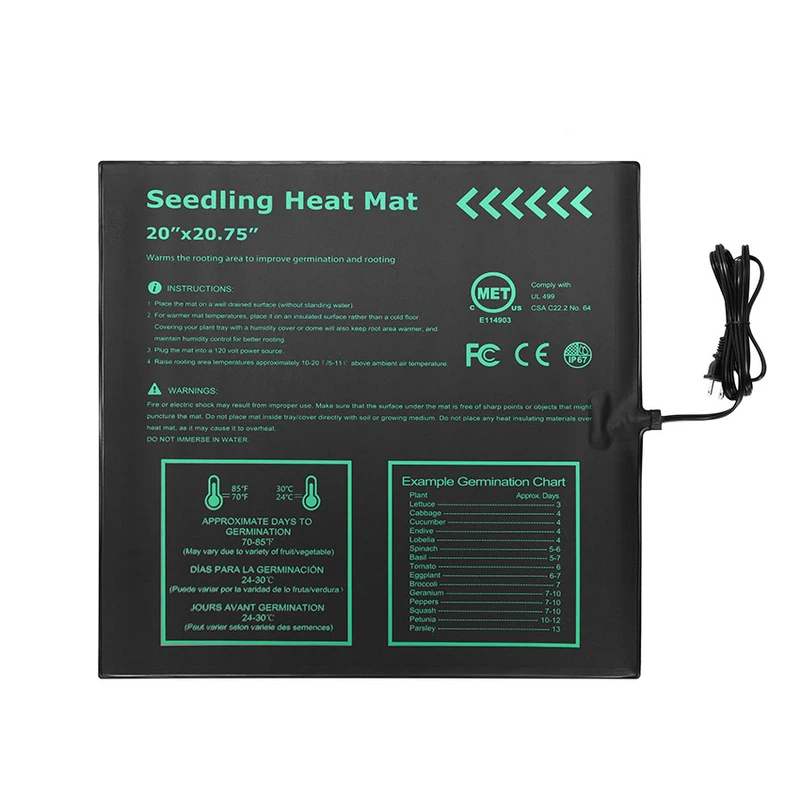
Optimal Temperature Range: Most seeds germinate best within a specific temperature range (typically 70°F to 90°F or 21°C to 32°C). The heat mat ensures that this range is consistently maintained.
Uniform Heating: The mat evenly distributes heat across its surface, ensuring all seeds in the tray receive the same amount of warmth.
2. Heating Mechanism
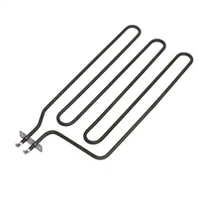
Seed starting heat mats use an internal heating element, often embedded in flexible materials like silicone or PVC.
This element heats up when plugged in, transferring warmth to the bottom of seed trays placed on the mat.
3. Improved Germination Rates
Warmth accelerates biological processes in seeds, including enzymatic activity and cell division.
Consistent warmth reduces the germination time for most seeds, helping growers start their plants earlier and with more success.
4. Compatibility with Thermostats
Many seed heat mats come with or can be paired with an external thermostat. This allows precise control of the soil temperature based on the specific needs of different seeds.
5. Energy Efficiency
Heat mats are energy-efficient, using minimal electricity to maintain the required warmth for germination.
6. Promotes Healthy Seedling Growth
By maintaining a stable temperature, the heat mat helps seedlings develop stronger root systems.
It also minimizes the risks associated with cold stress, such as stunted growth or seed rot.
7. Ease of Use
To use, growers simply place the heat mat on a flat surface, position the seed tray on top, and plug it in.
For added precision, a temperature probe can be inserted into the soil to monitor and adjust the heat.