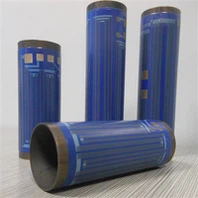
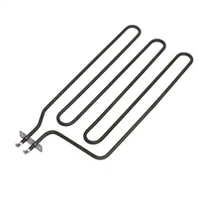
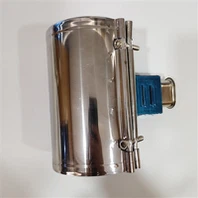
Polyimide thermofoil heaters work for medical devices by providing precise and uniform heating in compact, flexible, and lightweight designs. These heaters are constructed using a thin polyimide film as the insulating layer, with etched foil heating elements embedded inside. They operate through resistive heating, where an electrical current passes through the foil traces, generating heat that is evenly distributed across the surface.

How They Work in Medical Devices:
Precision Heating: Polyimide heaters offer highly accurate temperature control, which is crucial for medical applications such as blood analyzers, DNA sequencing equipment, and incubators.
Even Heat Distribution: The etched foil design ensures uniform heat output, preventing hotspots that could damage sensitive medical components.
Flexible and Thin Construction: Their ultra-thin and flexible nature allows them to conform to irregular surfaces, making them ideal for applications like catheter heating or warming pads.
Rapid Response Time: Polyimide heaters heat up and cool down quickly, ensuring optimal thermal efficiency in time-sensitive medical applications.
Temperature Sensing Integration: Many heaters come with built-in thermistors or RTDs, allowing precise temperature monitoring and control to maintain medical device safety.
Sterilization Compatibility: Polyimide's high chemical resistance makes these heaters suitable for sterilization processes, ensuring hygiene in medical environments.

Applications in Medical Devices:
Blood and fluid warmers to prevent hypothermia in patients.
Surgical instrument heating for maintaining optimal operational temperature.
DNA analyzers and laboratory incubators requiring precise thermal control.
Respiratory therapy equipment ensuring controlled airflow heating.
Wearable medical devices that require flexible, low-profile heating solutions.