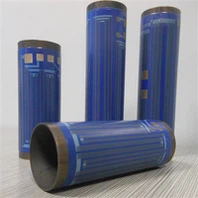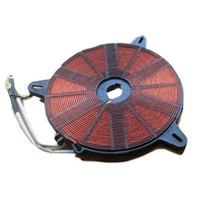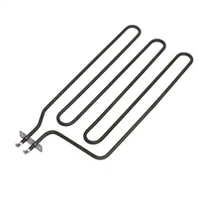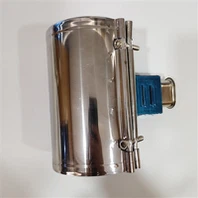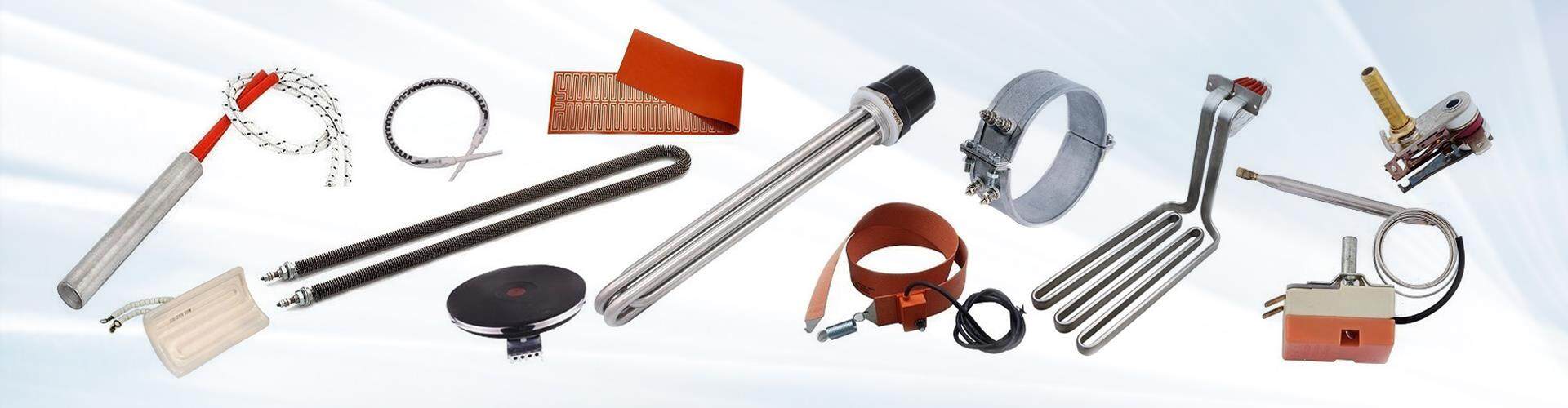
Oil fryer heaters for frying ovens work by rapidly heating cooking oil to the desired temperature for deep frying. These heaters are typically immersion-type heating elements, meaning they are directly submerged in the oil to provide efficient and even heat distribution. Here's how they function:
1. Heat Transfer Mechanism
The heating element, usually made of stainless steel or Incoloy, converts electrical energy into heat.
The heat is transferred directly to the surrounding oil, raising its temperature.
2. Temperature Control
Oil fryer heaters are equipped with thermostats or temperature sensors to maintain a precise frying temperature (typically between 150°C and 200°C).
Some advanced systems use capillary thermostats or digital temperature controllers to ensure consistent performance.
3. Rapid and Even Heating
The heater's design ensures uniform heat distribution, preventing hot spots and ensuring consistent frying results.
Efficient heat transfer helps maintain stable oil temperature even when food is added, preventing excessive temperature fluctuations.
4. Safety Features
Over-temperature protection prevents overheating, reducing the risk of oil degradation or fire hazards.
Some heaters include an automatic shutoff system if the oil level is too low, preventing dry burning.

5. Energy Efficiency
Immersion oil fryer heaters directly heat the oil, minimizing heat loss compared to indirect heating methods.
The quick heat-up time improves energy efficiency and reduces overall cooking time.
6. Customization Options
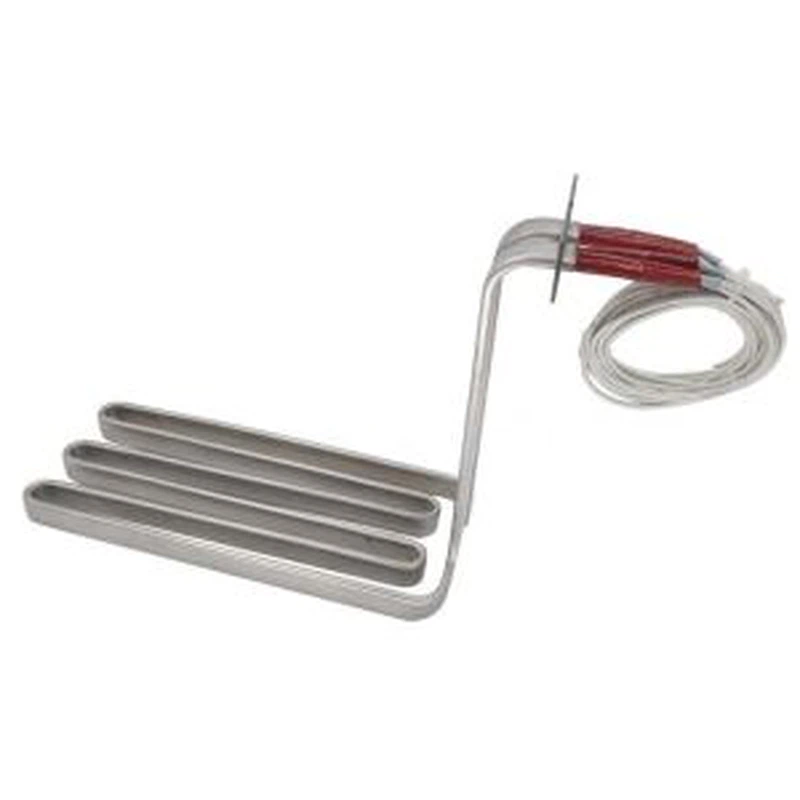
Heaters come in different shapes, such as U-shaped, tubular, or coil designs, to fit various fryer configurations.
Wattage and voltage can be customized to suit different fryer capacities and heating requirements.
These heaters are widely used in commercial deep fryers, industrial frying ovens, and food processing applications to ensure fast, uniform, and efficient frying.