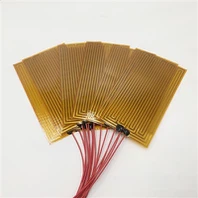
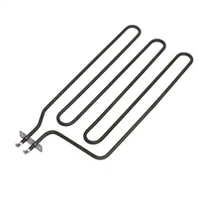
Mechanical timers in air fryers are simple, reliable devices that control the cooking time without relying on electronic components. Here's how they work:
1. Basic Components:
Dial/Knob: Used to set the desired cooking time.
Mainspring: Stores mechanical energy when you turn the dial.
Gear Train: Transfers energy from the spring to regulate speed.
Escapement Mechanism: Controls the release of energy to ensure consistent timing.
Bell or Buzzer (Optional): Rings when the timer reaches zero (in some models).
Switch Mechanism: Turns off the air fryer when time elapses.
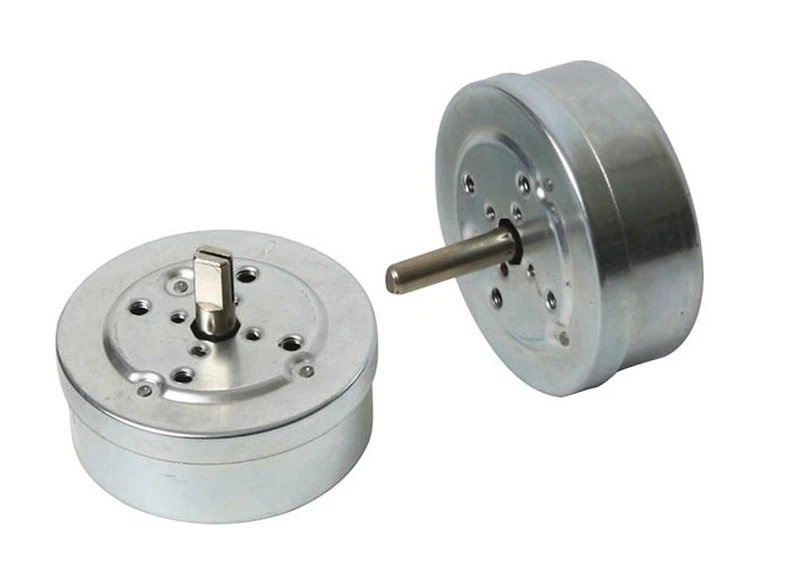
2. How It Works:
Setting the Time:
When you rotate the timer dial clockwise, you wind an internal mainspring, storing mechanical energy.
The dial is connected to a gear train that regulates the release of this energy.
Timer Operation:
As the spring unwinds, it drives the gears at a controlled rate (regulated by an escapement mechanism, similar to a mechanical clock).
The gears reduce the speed, ensuring the timer counts down accurately.
Power Shutoff (Mechanical Switch):
In most air fryers, the timer is connected to a mechanical switch that cuts off power to the heating element and fan when the timer reaches zero.
Some models may only trigger a bell/buzzer without shutting off power (less common in modern air fryers).
Completion Signal (Optional):
Some mechanical timers include a bell or buzzer that rings when time runs out.

3. Advantages Over Digital Timers:
No electricity needed for the timer itself (works even during power fluctuations).
More durable (no sensitive electronics to fail).
Simple to use (no programming required).
4. Limitations:
Less precise than digital timers (typically measures in 1-5 minute increments).
No automatic shutoff in some basic models (user must manually turn off the air fryer).
No advanced features like presets or memory functions.
Conclusion:
A mechanical timer in an air fryer operates like a wind-up kitchen timer, using gears and springs to count down. When the set time elapses, it either cuts power to the heating element or signals the user with a sound, depending on the design. This simple mechanism ensures reliability and ease of use.