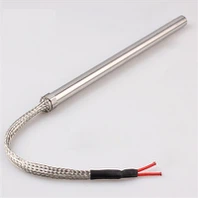
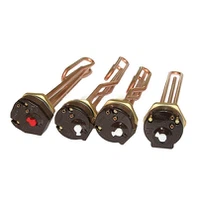
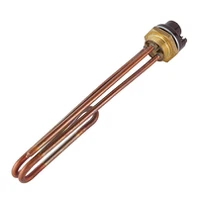
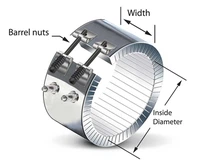
A thermostatic PTC (Positive Temperature Coefficient) ceramic air heater is a key component in modern clothes dryers, offering energy efficiency and safety benefits. Here's how it works in a dryer:
1. PTC Ceramic Heating Principle
PTC ceramic materials have a unique property: their electrical resistance increases sharply with temperature.
When electricity flows through the PTC element, it heats up quickly, but as it reaches a certain temperature (the Curie point), resistance rises, limiting current flow and stabilizing heat output.
This self-regulating feature prevents overheating, eliminating the need for external thermostats in some designs.

2. Application in Clothes Dryers
- Heating the Air: The PTC heater warms the air drawn into the drum, helping evaporate moisture from wet clothes.
- Energy Efficiency: Unlike traditional resistive heaters, PTC heaters reduce power consumption as they reach optimal temperature, saving energy.
- Safety: Since PTC heaters self-regulate, they avoid dangerous overheating, reducing fire risks.
- Compact Design: PTC ceramic heaters are lightweight and space-saving, making them ideal for modern dryer designs.
3. Thermostatic Control (Optional)
Some dryers integrate an additional thermostat or temperature sensor to fine-tune heating based on fabric type or dryness levels.
The PTC heater adjusts its output dynamically, maintaining a consistent temperature without excessive cycling.

4. Benefits Over Traditional Heaters
- No Overheating Risk: Unlike conventional coil heaters, PTC heaters won't overheat even if airflow is blocked.
- Longer Lifespan: Reduced thermal stress extends the heater's durability.
- Faster Heat-Up: PTC ceramics reach operating temperature quickly, improving drying efficiency.
Conclusion
A thermostatic PTC ceramic air heater in a clothes dryer provides efficient, self-regulating, and safe heating, making it a superior alternative to traditional heating elements. Its ability to adjust power based on temperature ensures optimal drying while minimizing energy waste and hazards.