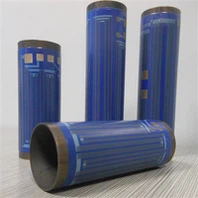
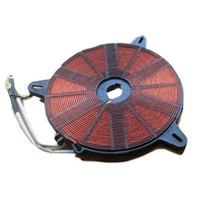
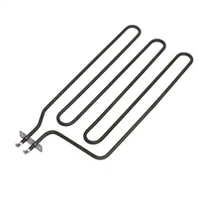
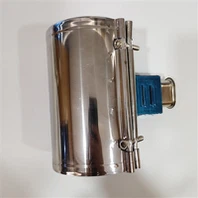
An immersion water heater is commonly used in sterilizer boilers to heat water quickly and efficiently for sterilization purposes. Here's how it works:

How an Immersion Heater Works in a Sterilizer Boiler:
Heating Element Submersion
The immersion heater is directly submerged in the water inside the sterilizer boiler.
It consists of a metal sheath (usually stainless steel, copper, or Incoloy) containing a resistive heating element (nichrome wire).
Electricity Powers the Heater
When electricity flows through the heating element, it generates heat due to electrical resistance.
The heat is transferred through the sheath into the surrounding water.
Boiling and Sterilization
The water temperature rises until it reaches boiling point (100°C at sea level) or higher (if pressurized).
Steam is generated, which is used for sterilizing medical instruments, laboratory equipment, or other items.
Temperature and Pressure Control
Many sterilizer boilers have thermostats or pressure sensors to maintain optimal sterilization conditions.
Some systems use PID controllers for precise temperature regulation.
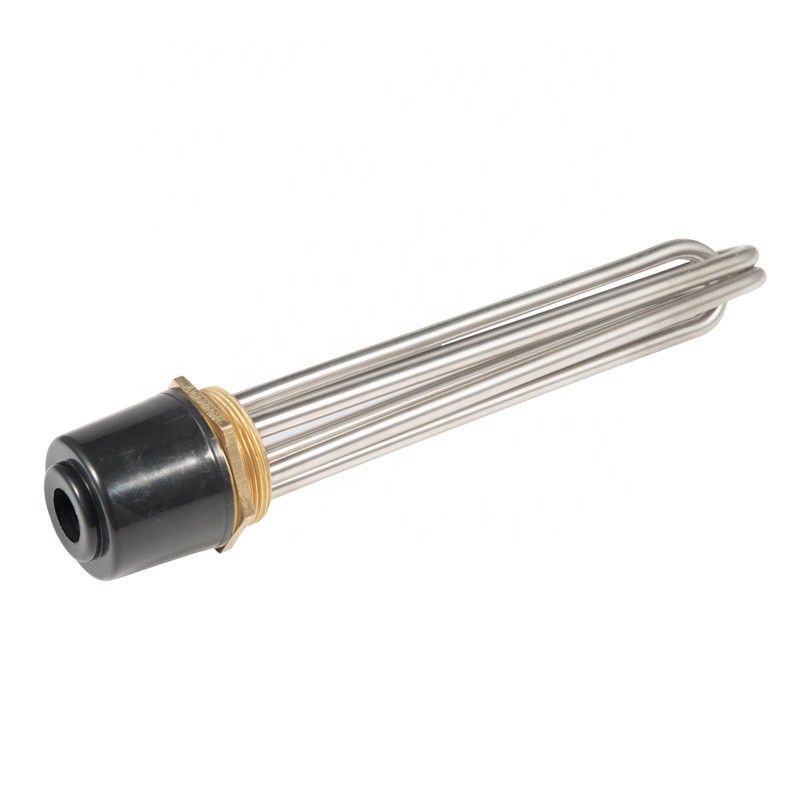
Key Features of Immersion Heaters in Sterilizers:
- Fast Heating: Direct contact with water ensures efficient heat transfer.
- Corrosion Resistance: Made from materials like stainless steel 316 or titanium for durability in high-temperature, wet environments.
- Thermal Cutoff Protection: Prevents overheating if the water level drops too low.
- Customizable Wattage & Voltage: Can be designed for different power requirements (e.g., 120V, 240V, or 380V systems).
Applications:
- Autoclaves & Medical Sterilizers
- Laboratory Sterilization Equipment
- Industrial Boilers for Sanitization
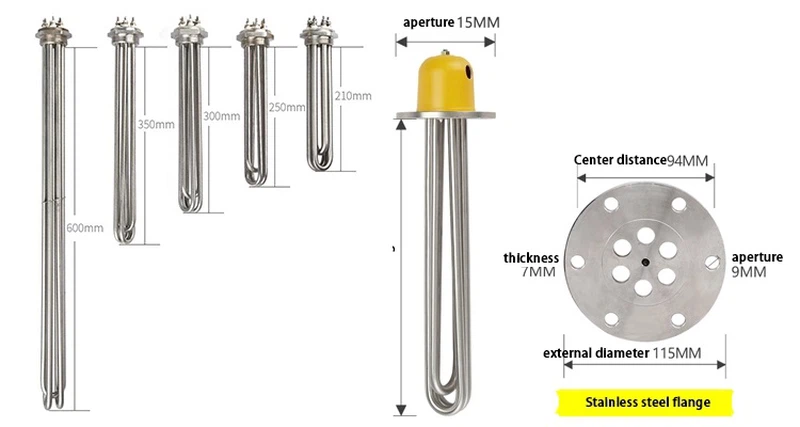
Advantages Over Other Heating Methods:
- Energy Efficient – No heat loss from external heating.
- Compact & Easy to Install – Fits directly into the boiler tank.
- Quick Response Time – Heats water faster than external heating coils.