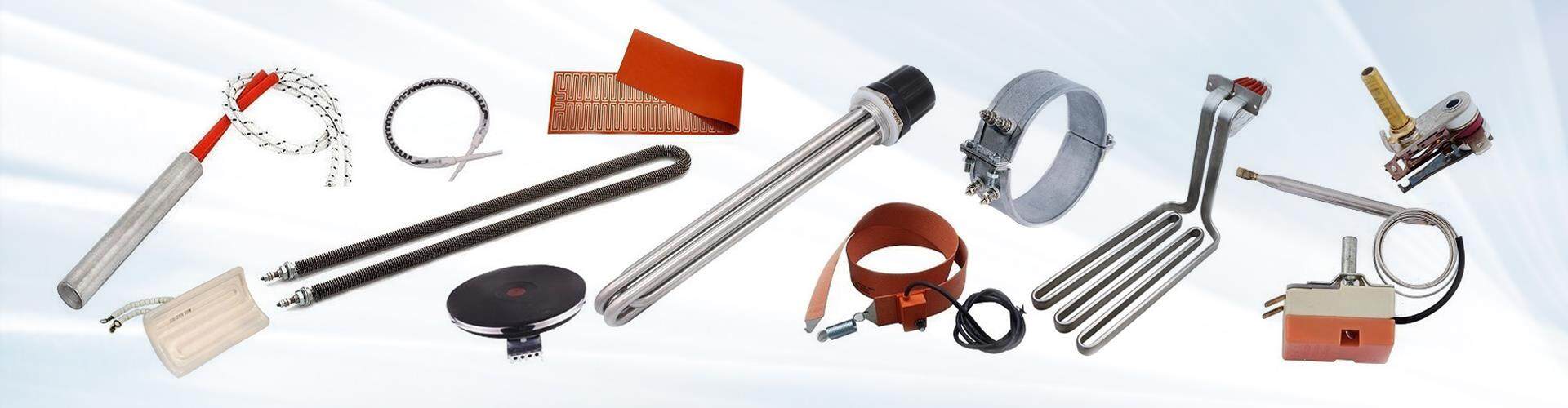
Flange heaters are commonly used in high-pressure applications to heat liquids, gases, and other substances. They are designed to handle the elevated pressures that can be encountered in industrial processes. Here's how flange heaters are able to handle high-pressure applications.
Let's see
1. Robust Construction: Flange heaters are typically constructed with robust materials and components that can withstand high pressures. The flange itself is often made of materials such as stainless steel or other corrosion-resistant alloys, which are known for their strength and durability.
2. Proper Sealing: Flange heaters are equipped with gaskets or seals that help create a tight and secure connection between the heater element and the piping system. These seals prevent the escape of fluids or gases and maintain the integrity of the system under high pressure.
3. Welded Connections: In some high-pressure applications, flange heaters are welded directly to the pipeline or vessel. Welding provides a permanent and strong connection that can handle extreme pressures without the risk of leakage.
4. Customized Design: Flange heaters can be customized to meet the specific requirements of high-pressure applications. This includes selecting the appropriate wattage, sheath material, and flange size to ensure the heater can handle the pressure and effectively heat the medium.
5. Pressure Rating: Flange heaters are available in various pressure ratings to match the requirements of the application. It's essential to choose a flange heater with a pressure rating that exceeds the maximum pressure the system will experience to ensure safety and reliability.
6. Safety Measures: High-pressure applications often incorporate safety features such as pressure relief valves and pressure sensors to monitor and control the pressure within the system. These safety measures help prevent overpressure situations that could damage the flange heater or the system.
7. Regular Inspection and Maintenance: To ensure the continued safe operation of flange heaters in high-pressure applications, regular inspection and maintenance are crucial. This includes checking for signs of wear, corrosion, or damage to the heater and its connections.
8. Compliance with Standards: Flange heaters used in high-pressure applications should meet relevant industry standards and codes, ensuring that they are designed and manufactured to withstand the specified pressures safely.
It's important to note that the specific design and materials used for flange heaters can vary depending on the application and the pressure requirements. Therefore, it's essential to consult with a qualified engineer or manufacturer who specializes in industrial heating systems to select the appropriate flange heater for your high-pressure application and ensure it is installed and maintained correctly for safe and efficient operation.