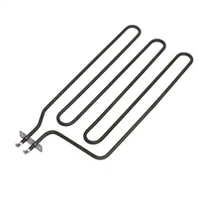
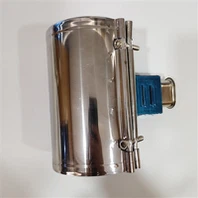
Finned aluminum heaters work efficiently in air heating and conditioning devices by utilizing a combination of electrical resistance heating and enhanced heat dissipation. Here's how they function:
1. Electrical Heating Element
The heater consists of a resistive heating element (often a nichrome wire or PTC element) embedded inside an aluminum body. When an electric current passes through the heating element, it generates heat due to electrical resistance.
2. Aluminum Fins for Heat Transfer
The heating element is encased in an aluminum housing with fins attached. Aluminum has excellent thermal conductivity, allowing heat to spread quickly and evenly across the fins. The fins significantly increase the surface area, which enhances heat dissipation into the surrounding air.
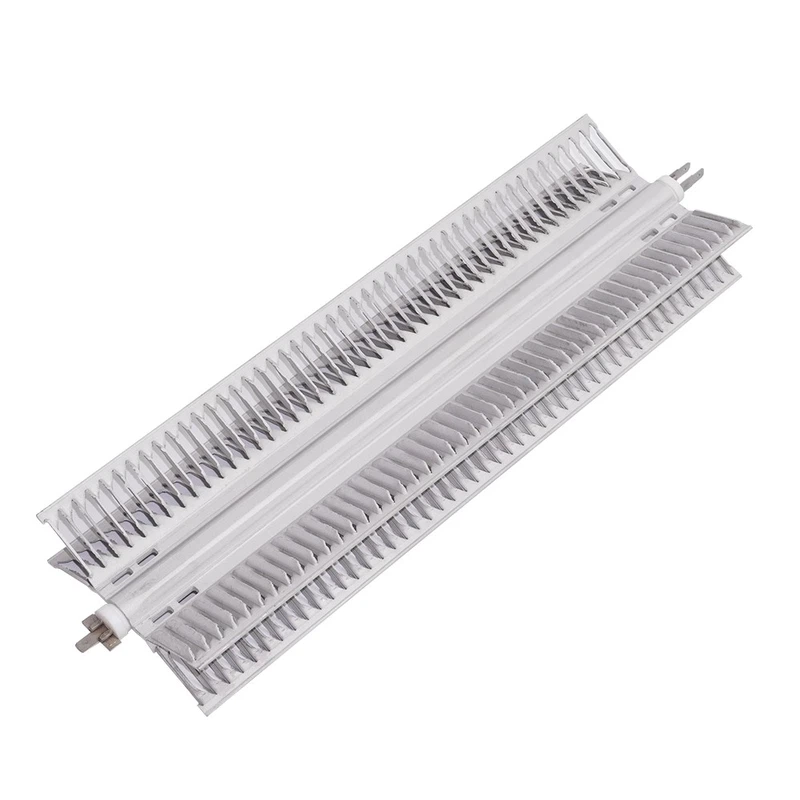
3. Airflow for Heat Distribution
In air heating and conditioning devices, a fan often blows air over the heater's fins. As air passes through, it absorbs the heat from the aluminum fins and distributes it throughout the space. This ensures efficient and uniform heating.
4. Temperature Control & Safety
Finned aluminum heaters typically include built-in thermostats or external temperature controllers to regulate heating. They may also have thermal cut-off switches or PTC elements that self-regulate temperature to prevent overheating.
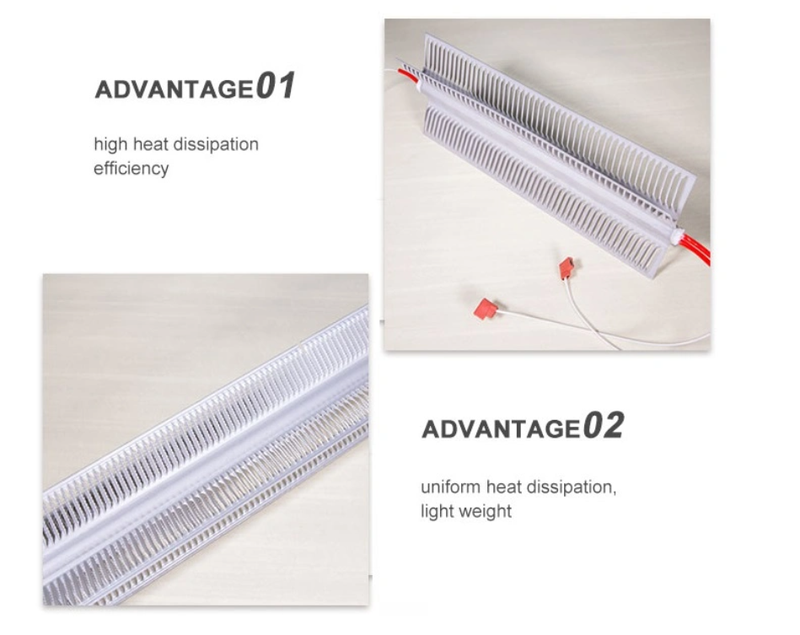
Advantages of Finned Aluminum Heaters
Efficient Heat Transfer: The fins maximize heat dissipation for faster and uniform heating.
Durability: Aluminum resists corrosion and ensures long-term reliability.
Compact Design: Suitable for space-constrained HVAC applications.
Energy Saving: PTC-based options reduce power consumption as they self-regulate heat output.