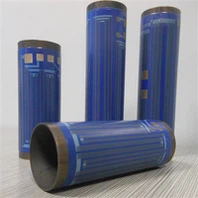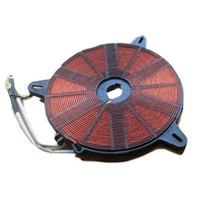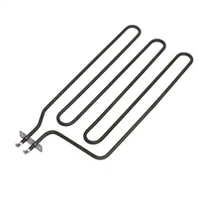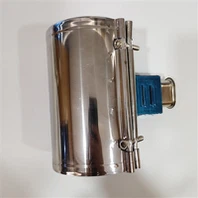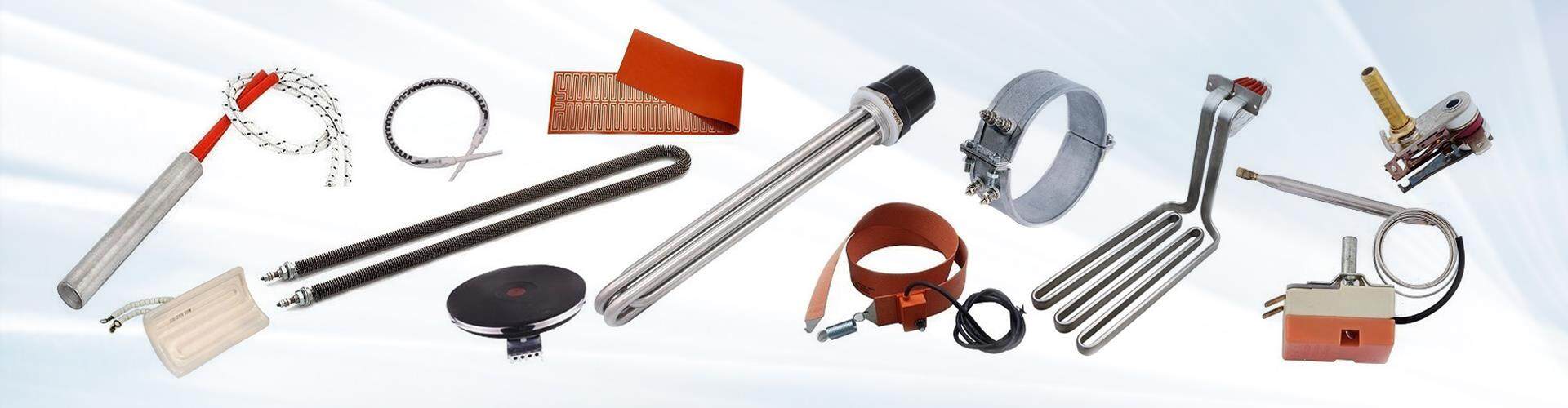
Electric Burner Coil Elements prevent overheating during use through design, materials, and safety mechanisms. Here's how:
1. Thermal Regulation Features
Built-in Thermostats or Thermal Sensors: These devices monitor the temperature and cut off power when a set temperature is exceeded.
Thermal Fuses: Designed to break the circuit permanently if the coil overheats, preventing further damage or hazards.
2. High-Quality Materials
Nichrome Wire: Maintains consistent resistance at high temperatures, reducing the risk of uncontrolled heat buildup.
Magnesium Oxide (MgO) Insulation: Effectively dissipates heat and prevents localized hotspots.
3. Smart Design
Even Coil Spacing: Ensures uniform heat distribution, avoiding areas that might concentrate excessive heat.
Protective Sheath: Shields the coil from external factors that could cause overheating, such as direct contact with spills.
4. Voltage and Power Control
Designed to operate within specific voltage and wattage ranges, ensuring that the element does not draw excessive current.
Paired with voltage regulators in some appliances to maintain consistent performance.
5. Overheat Prevention Mechanisms
Automatic Shutoff: Many appliances feature a timer or an auto-off function to prevent prolonged heating.
Insulation and Airflow Design: Proper insulation and airflow paths in the appliance housing help dissipate heat and maintain safe operating temperatures.
By combining these features, Electric Burner Coil Elements can operate safely and efficiently, minimizing the risk of overheating during use.