1. Zoned Heating for Controlled Temperature Distribution
Multiple Independent Zones: Conveyor ovens divide heating elements into zones (preheat, cooking, finishing) to adjust temperatures as food moves.
Top/Bottom Element Ratios: Adjustable power distribution (e.g., 60% top/40% bottom for pizzas vs. 50/50 for baked goods) prevents uneven browning.

2. Element Placement & Geometry
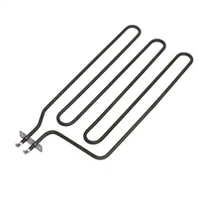
Serpentine or Parallel Coils: Elements are arranged to avoid "hot spots" (e.g., zigzag patterns for infrared ovens).
Proximity to Conveyor: Close spacing for rapid heating (e.g., toasting) vs. wider gaps for slow-roasting meats.
3. Adaptive Power Modulation
Feedback Systems: Thermocouples or IR sensors trigger element adjustments in real-time if cold zones are detected.
Pulse-Width Modulation (PWM): Rapidly cycles elements on/off to maintain steady temps without overshooting.
4. Airflow Integration (Convection Systems)
Forced Air + Radiant Heat: Fans circulate hot air while elements provide direct radiation, balancing cook speed and consistency.
Duct Design: Redirects airflow to compensate for heat loss near oven entry/exit points.
5. Material-Specific Configurations
Infrared vs. Metal Coils: IR elements (quartz/tungsten) target surface browning, while Calrod coils suit bulkier items like bread.
Hybrid Systems: Combine convection fans with dual upper/lower elements for products like frozen meals.
6. Case Study: Pizza Chain Conveyor Ovens
Challenge: Cheese melts before crust crisps.
Solution: Intense bottom heat (stone or thick Calrod elements) + shorter top-element cycles.