Ceramic infrared heaters are widely used in the printing and paper industry for their ability to provide targeted, efficient, and consistent heating. Here's how they work and why they are beneficial in these applications:
Working Mechanism:
Infrared Radiation: Ceramic infrared heaters emit infrared radiation, which heats objects directly without heating the air in between. This form of heat is highly efficient because it targets the material or surface that needs to be heated, reducing energy loss.
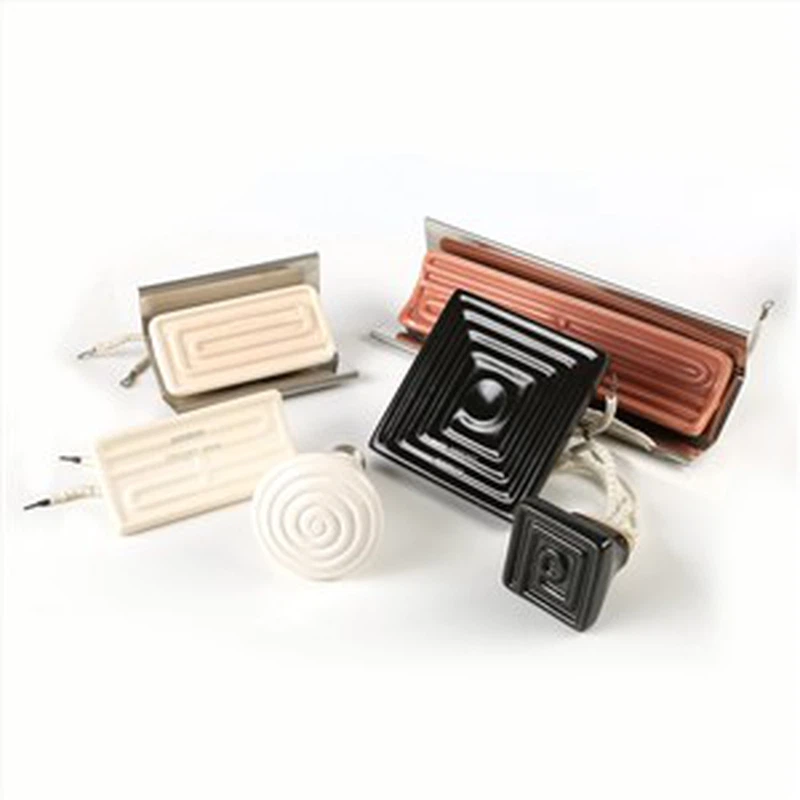
Ceramic Material: The ceramic heating element absorbs and stores heat. When electricity flows through it, the ceramic material heats up and radiates infrared energy. The ceramic structure also ensures the heat is distributed evenly across the surface.
Direct Heating: The infrared rays penetrate the surface of materials, such as paper, fabric, or plastic, to deliver heat exactly where it's needed. This direct form of heating reduces the overall heating time and energy consumption.
Applications in Printing and Paper Industry:
Drying and Curing: In the printing industry, ceramic infrared heaters are often used for drying ink or curing coatings on printed materials. The heaters are positioned near the printed surface to heat the ink quickly, speeding up the drying process and ensuring the ink doesn't smudge.
Paper Processing: Ceramic infrared heaters are used in paper manufacturing for tasks like drying, curing, or shaping paper. The radiant heat helps dry the paper uniformly, enhancing the quality and speed of production.
Energy Efficiency: Traditional convection heating methods take longer and can result in uneven heating. Ceramic infrared heaters provide faster heat-up times and more uniform temperature distribution, ensuring that the materials are processed more efficiently with lower energy consumption.
Improved Quality: Since ceramic heaters provide consistent and controlled heating, they help maintain high-quality standards in paper products, preventing issues such as warping or uneven drying.
Benefits:
Energy Efficiency: They use less energy compared to conventional heating methods, which translates to cost savings.
Faster Process: Ceramic infrared heaters accelerate drying times in printing and paper processes, reducing production delays.
Precision and Control: They allow precise temperature control, ensuring optimal quality for sensitive materials.
Low Maintenance: Ceramic heaters are durable and require minimal maintenance, making them cost-effective in the long run.
In summary, ceramic infrared heaters are an ideal solution for the printing and paper industry, providing efficient, fast, and precise heating for various processes such as drying, curing, and shaping.