Ceramic band heaters are essential components in extrusion machines, providing the precise and consistent heat required for melting and shaping materials such as plastics, rubber, or food products. Their design and functionality make them ideal for maintaining uniform temperatures across the extrusion barrel, ensuring optimal performance and product quality. Here's how they work:
1. Heating Mechanism
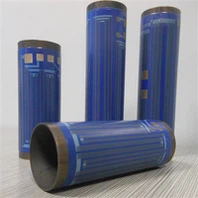
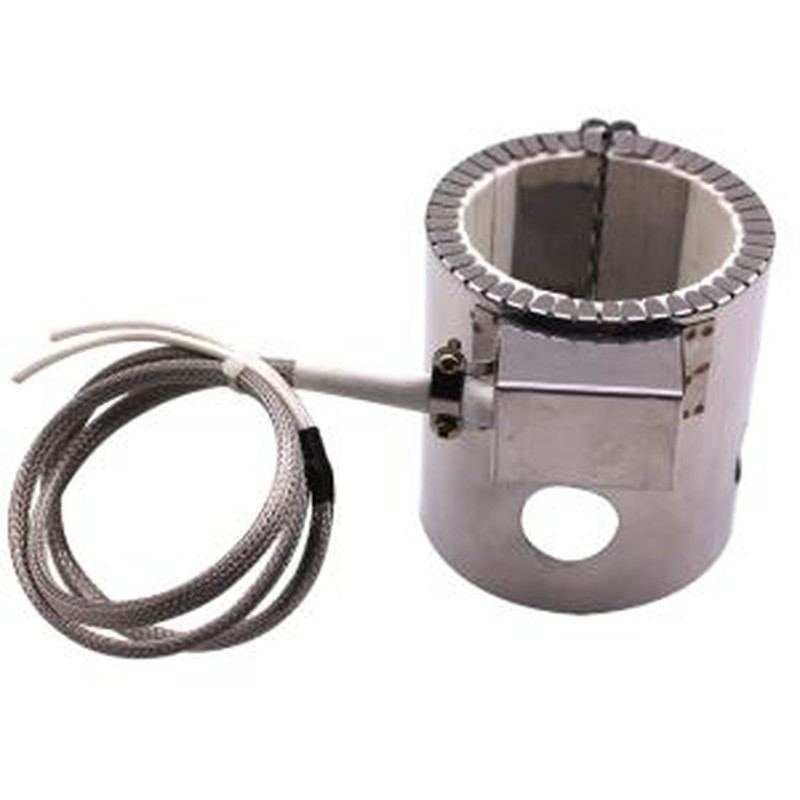
Ceramic band heaters consist of a heating element, typically made of nickel-chromium (NiCr) or iron-chromium-aluminum (FeCrAl) alloy wires, embedded within high-grade ceramic insulation. When electricity passes through the heating element, it generates heat due to electrical resistance. The ceramic insulation ensures efficient heat transfer to the extrusion barrel while minimizing heat loss to the surroundings.
2. Uniform Heat Distribution
One of the key features of ceramic band heaters is their ability to distribute heat evenly across the extrusion barrel. The ceramic insulation acts as a thermal conductor, spreading the heat uniformly along the barrel's surface. This prevents hot spots and ensures consistent material flow, which is critical for producing high-quality extruded products.

3. Secure Fitting
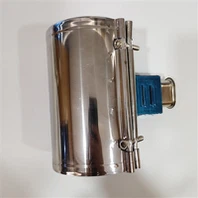
Ceramic band heaters are designed to fit snugly around the extrusion barrel. They are equipped with adjustable stainless steel straps or tensioning systems that allow for easy installation and a tight, secure fit. This ensures maximum contact between the heater and the barrel, improving heat transfer efficiency.
4. Temperature Control
Many ceramic band heaters come with integrated thermocouple slots, allowing for precise temperature monitoring and control. Thermocouples measure the barrel's temperature and send feedback to the machine's control system, which adjusts the heater's output to maintain the desired temperature range. This level of control is crucial for achieving consistent results in extrusion processes.