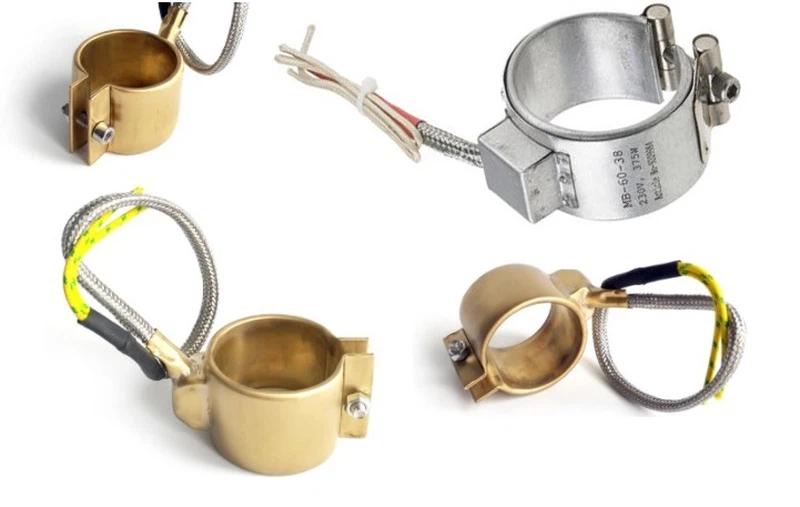
Band heaters are critical components in injection molding machines, providing the necessary heat to melt raw materials (such as plastic pellets) and maintain consistent temperatures throughout the molding process. Their design and functionality ensure efficient heat transfer, precise temperature control, and reliable performance. Here's how band heaters work in injection molding:
1. Heating Mechanism
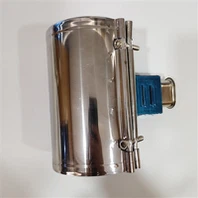
Band heaters are cylindrical devices that wrap around the barrel of an injection molding machine. They contain a heating element, typically made of nickel-chromium (NiCr) or iron-chromium-aluminum (FeCrAl) alloy wires, which generates heat when an electric current passes through it. The heat is then transferred to the barrel, melting the raw material inside.
2. Uniform Heat Distribution
Band heaters are designed to provide even heat distribution across the barrel. This ensures that the raw material is heated uniformly, preventing cold spots or overheating, which can lead to defects in the molded product. Uniform heating is essential for maintaining consistent material viscosity and flow.

3. Temperature Control
Band heaters are often equipped with integrated thermocouples or temperature sensors. These devices monitor the barrel's temperature and send feedback to the machine's control system. The system adjusts the heater's output to maintain the desired temperature range, ensuring precise control over the molding process.
4. Secure Fitting
Band heaters are secured tightly around the barrel using stainless steel clamps or tensioning systems. This ensures maximum contact between the heater and the barrel, improving heat transfer efficiency and preventing heat loss.
5. Zoned Heating
Injection molding barrels are typically divided into multiple heating zones, each with its own band heater. This allows for precise temperature control at different stages of the barrel. For example, the temperature near the hopper (where raw material is fed) may be lower than the temperature near the nozzle (where the material is injected into the mold). Zoned heating ensures optimal melting and flow of the material.
6. High-Temperature Performance
Band heaters are capable of operating at high temperatures, often up to 450°C (842°F) or more, depending on the material being processed. This makes them suitable for a wide range of injection molding applications, including those requiring high heat, such as engineering plastics.
7. Energy Efficiency
Modern band heaters are designed to minimize heat loss to the environment. Insulation materials, such as mica or ceramic, help retain heat within the barrel, reducing energy consumption and operational costs.
8. Durability and Reliability
Band heaters are constructed with robust materials, such as stainless steel cladding and high-quality insulation, to withstand the harsh conditions of injection molding. Their durable design ensures a long lifespan and minimal maintenance, reducing downtime and repair costs.