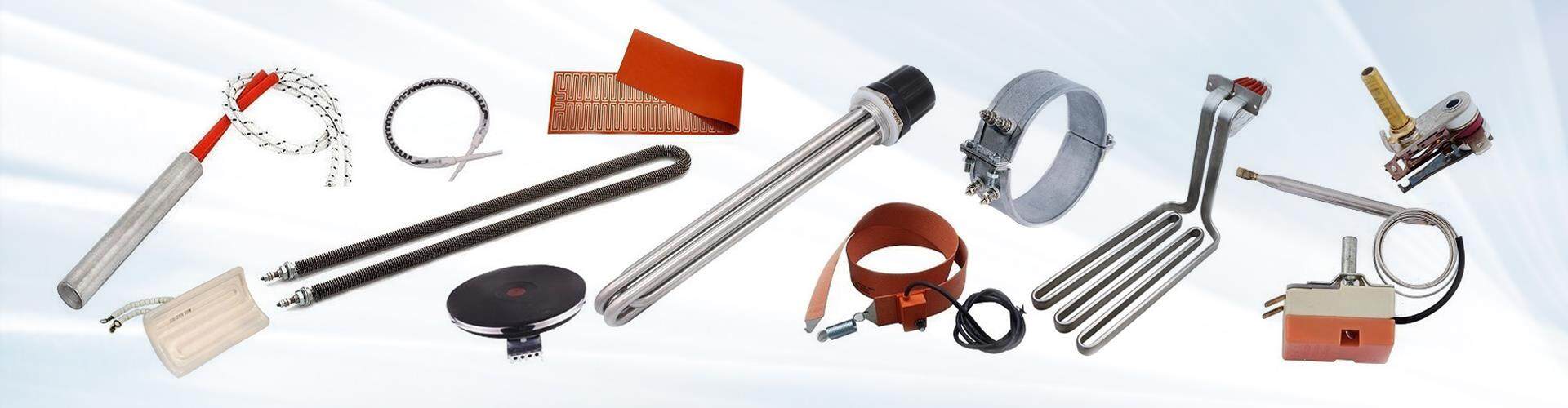
Ceramic hot plates, particularly the infrared radiant types, are widely used in food processing due to their efficiency, durability, and ability to provide consistent heat. Here's a breakdown of how they are utilized in various food processing applications:

1. Cooking & Grilling
Efficient Cooking: Ceramic hot plates are ideal for grilling or cooking foods like meats, vegetables, or seafood. The infrared radiation provides quick, even heat that ensures food is cooked thoroughly without drying out.
High Heat Retention: Their ability to retain and uniformly distribute heat makes them perfect for maintaining consistent cooking temperatures, which is crucial in large-scale food production.

2. Warming
Food Warmers: Ceramic hot plates are commonly used in food service establishments to keep prepared foods warm for extended periods. The infrared heat is particularly effective in preventing food from becoming soggy, unlike traditional heating methods that rely on hot air.
Buffet Heating: Used in buffets, they maintain food at optimal serving temperatures without direct contact, preserving texture and flavor.
3. Baking
Flatbreads & Pastries: In baking, ceramic hot plates can be used to evenly heat dough-based products like flatbreads, pizzas, or pastries. The radiant heat helps create a crispy crust while ensuring the inside remains tender.
Consistent Heat: Ceramic plates maintain uniform heat distribution, which is critical for achieving consistent results in baked goods production.
4. Curing and Drying
Drying Foods: In the drying of certain food products (like dried fruits, meats, or herbs), ceramic hot plates can be used to efficiently apply heat. Their infrared radiation can dry foods evenly without the need for long drying times, improving processing efficiency.
Curing: Ceramic hot plates are used in curing processes, such as in the production of cured meats or processed cheese. The precise heat control allows for the gradual curing process to occur at consistent temperatures.
5. Sous-Vide Cooking
Sous-Vide Heat Source: In sous-vide cooking, which involves cooking food slowly at low temperatures in water, ceramic hot plates are used to generate the heat for the water bath. They provide stable, efficient heat that ensures precise temperature control during the cooking process.
6. Reheating Processed Foods
Efficient Reheating: Ceramic hot plates are also used to reheat pre-cooked foods like ready meals or frozen products. The infrared heat ensures a quick and even reheating process without overcooking or drying out the food.
7. Steam Generation for Food Processing
Steam Production: In some food processing plants, ceramic hot plates are used to generate steam for cooking or cleaning purposes. Their quick heating capability makes them ideal for applications requiring a constant supply of steam.