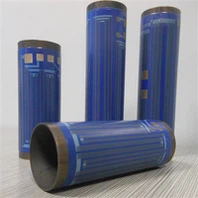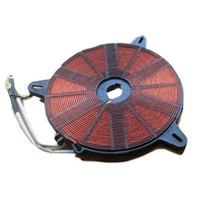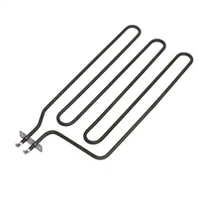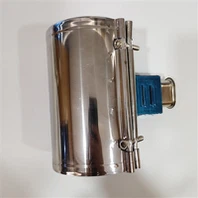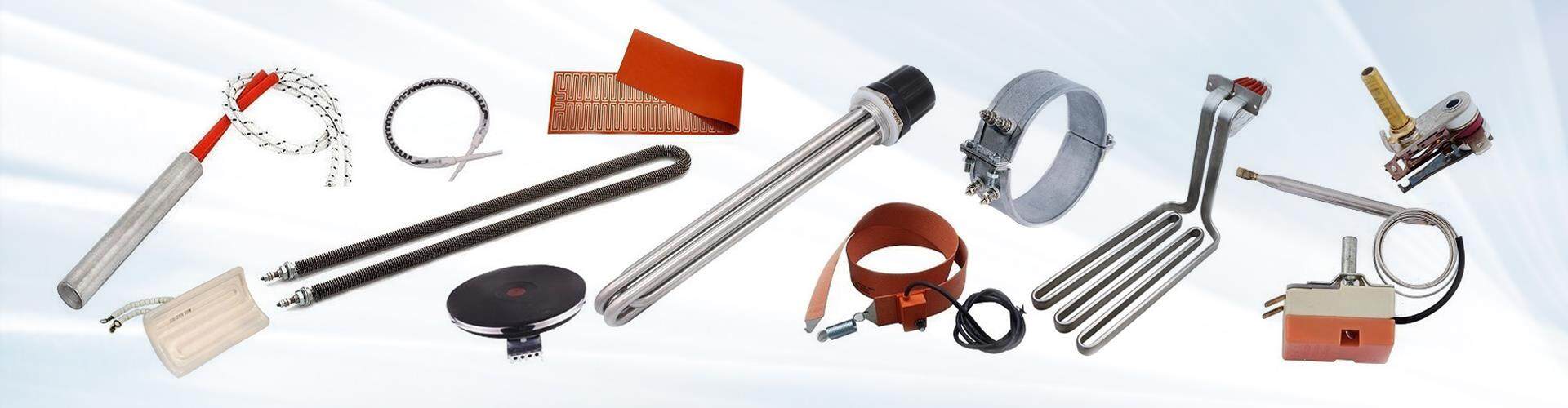
Ceramic band heaters play a crucial role in packaging machinery by providing the necessary heat to seal and secure various types of packaging materials, such as plastic films and foils. Here's how they work in the context of packaging machinery:
1. Heating Element Construction:
Ceramic Core: The heater has a ceramic core, which provides excellent insulation and allows for high-temperature operation. The ceramic material helps in evenly distributing heat across the entire surface of the heater.
Nickel-Chromium Resistance Wire: Wrapped around the ceramic core is a nickel-chromium resistance wire, which generates heat when an electrical current passes through it. This wire is chosen for its high-temperature tolerance and durability.
2. Heat Transfer:
Conduction and Radiation: The heat generated by the resistance wire is transferred to the outer casing of the heater, which is usually made of stainless steel. This heat is then conducted to the surface it is in contact with, typically the sealing bars or dies in the packaging machine. Additionally, some of the heat is transferred through radiation, further ensuring uniform heating.
3. Temperature Control:
Precise Temperature Regulation: Packaging machinery often requires precise temperature control to achieve a strong and uniform seal without damaging the packaging material. Ceramic band heaters are usually equipped with thermocouples or temperature sensors that monitor the heater's temperature. The control system adjusts the power supply to maintain the desired temperature, ensuring consistent sealing performance.

4. Sealing Process:
Heat Sealing: In the packaging process, the heated sealing bars or dies, which are equipped with ceramic band heaters, come into contact with the packaging material. The heat from the bars causes the plastic film or foil to melt slightly at the contact points, creating a bond when the material cools and solidifies.
Pressure Application: Along with heat, pressure is applied to ensure that the melted edges of the packaging material fuse properly, resulting in a secure and airtight seal. Ceramic band heaters provide the necessary consistent heat to achieve this seal, which is crucial for maintaining the integrity and freshness of the packaged product.
5. Energy Efficiency and Durability:
Minimal Heat Loss: The ceramic insulation in these heaters minimizes heat loss, making the process energy-efficient. This efficiency is important in packaging operations, where machines often run continuously for long periods.
Longevity: Ceramic band heaters are designed to withstand high temperatures and demanding operational conditions, contributing to their long service life in packaging machinery.
6. Applications in Packaging Machinery:
Shrink Wrapping Machines: Ceramic band heaters are used to heat the shrink film that wraps around the product. The heat causes the film to contract, tightly conforming to the shape of the product.
Form-Fill-Seal Machines: These machines use ceramic band heaters to seal the edges of plastic pouches or bags after they have been filled with the product.
Blister Packaging: In blister packaging machines, ceramic band heaters help in sealing the plastic blister to the backing material, ensuring the product is securely enclosed.