To design water heaters that maintain precise temperature control, manufacturers can focus on the following key strategies:
1. Use High-Quality Temperature Sensors
Capillary Thermostats: Employ precise and reliable thermostats with low differential settings, which can control the heating element more accurately.
Digital Temperature Sensors: Use digital sensors for finer control, which can provide real-time data to microcontrollers for precise temperature adjustments.
Thermocouples: These offer rapid response and high accuracy, especially in higher temperature ranges.
2. Implement Advanced Control Systems
PID Controllers: Use Proportional-Integral-Derivative (PID) controllers to adjust heating power based on the desired temperature, reducing fluctuations and ensuring steady heating.
Smart Thermostats: Incorporate Wi-Fi or Bluetooth-enabled smart thermostats that can adjust temperatures based on user settings and environmental conditions.
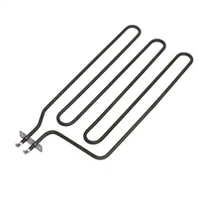
Modulating Heating Elements: Use heating elements that can operate at multiple power levels to maintain consistent temperature rather than simple on/off switching.
3. Optimize Heat Distribution
Well-Designed Heating Element Placement: Ensure heating elements are strategically placed to distribute heat evenly throughout the water tank.
Improved Insulation: Use high-quality insulation materials (e.g., foam, fiberglass) to minimize heat loss and maintain stable temperatures for longer periods.
Anti-Convection Design: Minimize temperature stratification in large tanks by using circulation mechanisms or specially designed baffles that promote even heat distribution.
4. Use Feedback Systems for Continuous Monitoring
Real-Time Monitoring: Incorporate temperature sensors at different points in the tank to monitor temperature at various depths and ensure uniformity.
Automatic Adjustments: Implement systems that automatically adjust the heating power based on feedback, preventing overshooting or fluctuations.
5. Improve System Calibration and Accuracy
Precise Calibration: Regularly calibrate thermostats and sensors to ensure accurate readings and adjustments.
Testing for Variability: Test the system under different load conditions (e.g., different water volumes or pressure levels) to ensure consistent performance across a range of real-world scenarios.
6. Integrate User-Friendly Controls
Temperature Control Display: Include an easy-to-use interface (analog dial or digital display) for precise user temperature settings.
Adjustable Temperature Ranges: Allow users to customize temperature ranges within a safe operating zone, ensuring flexibility without compromising safety.
By implementing these design strategies, water heaters can achieve more precise temperature control, enhancing energy efficiency, user satisfaction, and product longevity. Would you like more details on any of these strategies or assistance with specific design elements?
If so, feel free to contact us.