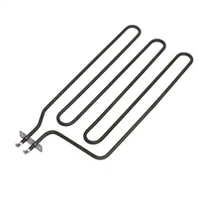
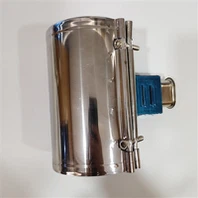
Flange heaters can be integrated into a water heating system to efficiently and effectively heat water for various industrial and commercial applications.
The Steps to integrate flange heater into water heating system
1. Assess the Water Heating Needs:
Begin by determining the specific requirements of your water heating system, including the required temperature, flow rate, and the volume of water to be heated. Understanding these parameters will help you select the appropriate flange heater and design the system accordingly.
2. Select the Right Flange Heater:
Choose a flange heater that meets the following criteria:
- Wattage: Ensure the heater's wattage is sufficient to achieve the desired water temperature based on your flow rate and volume requirements.
- Sheath Material: Select a sheath material compatible with the type of water being heated (e.g., stainless steel for clean water, Incoloy for corrosive water).
- Flange Size and Rating: The flange size should match the piping system, and the flange heater should have a pressure rating suitable for the application.
3. Installation and Mounting:
- Mount the flange heater onto the water heating system's pipeline or tank using the appropriate flange connections. Ensure that the flange heater is securely fastened to prevent leaks and maintain safety.
- Use appropriate gaskets and seals to create a watertight connection between the flange heater and the piping system.
4. Electrical Connection:
- Connect the electrical supply to the flange heater. Ensure proper wiring and follow all electrical codes and safety standards.
- Use a temperature controller or thermostat to regulate the water temperature. This device will monitor the water temperature and turn the flange heater on and off as needed to maintain the desired setpoint.
5. Control and Monitoring:
- Implement a control system that allows you to monitor and adjust the temperature as required. This can be a simple thermostat or a more advanced control panel, depending on the complexity of your system.
- Consider safety features such as overheat protection and pressure relief valves to prevent system damage or dangerous conditions.
6. Testing and Commissioning:
- Before putting the water heating system into full operation, perform a thorough testing and commissioning process to ensure that the flange heater is functioning correctly and heating the water to the desired temperature.
7. Maintenance and Inspections:
- Regularly inspect the flange heater for signs of wear, corrosion, or damage. Replace any worn or damaged components promptly.
- Keep the flange heater clean to prevent fouling, which can reduce its efficiency.
- Perform preventive maintenance tasks as recommended by the manufacturer to prolong the heater's lifespan and maintain system performance.
8. Safety Considerations:
- Ensure that the water heating system complies with safety standards and regulations.
- Implement safety shutdown procedures in case of overheating or other emergencies.
Properly integrating flange heaters into a water heating system requires careful planning, selection, installation, and maintenance. Consulting with an experienced engineer or heating system specialist is advisable to ensure that your system is designed and implemented correctly for your specific water heating needs.