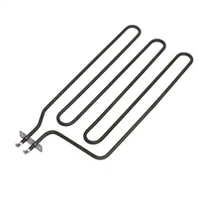
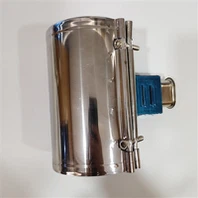
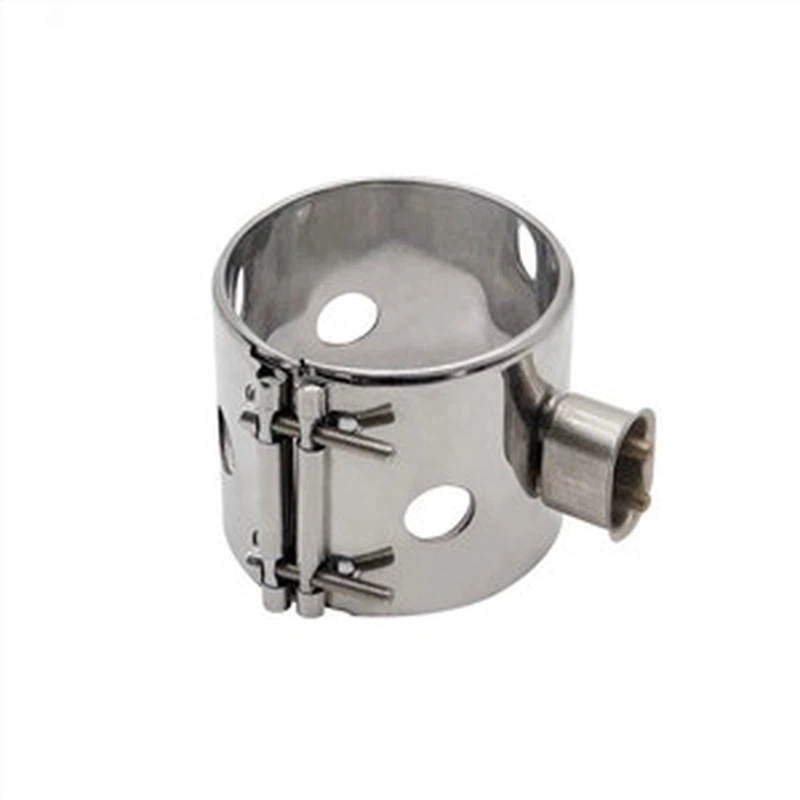
The band heater is a cylindrical, clamp-on electric heating element that wraps around the outside of the wax pot's melting chamber. It transfers heat conductively through the metal wall of the pot to melt the wax inside evenly and consistently.

Key Components & How They Work Together
1. The Band Heater Itself:
Structure: It's typically a metal band (often stainless steel or plated steel) containing a resistive heating wire (like nichrome) embedded in an electrical insulation material (commonly mica or ceramic).
Function: When plugged in, electricity flows through the resistive wire, causing it to heat up due to its resistance (Joule heating).
2. The Wax Pot (Melting Chamber):
This is a metal vessel, usually made of aluminum or stainless steel, which holds the solid wax.
It sits directly inside the band heater, ensuring maximum surface contact.

3. The Outer Housing/Casing:
This is the decorative outer shell of the wax warmer. It houses the band heater and pot assembly and provides safety and insulation.
4. Thermostat or Thermal Fuse:
Crucial for Safety & Control. Band heaters in wax warmers are almost always paired with a thermostat.
The thermostat regulates temperature, cycling the heater on and off to maintain a safe, optimal wax melting temperature (typically between 125°F - 150°F or 52°C - 66°C). This prevents the wax from overheating, smoking, or catching fire.

Step-by-Step Operation
- Power On: You plug in the warmer and switch it on.
- Heating Cycle Begins: Electricity flows into the band heater, causing its resistive element to get hot.
- Conductive Heat Transfer: The hot band heater transfers its thermal energy directly to the metal walls of the inner wax pot. This is a very efficient transfer method.
- Melting the Wax: The heat from the metal pot walls radiates inward, gradually melting the solid wax from the outside in. The metal pot ensures even heat distribution, preventing hot spots.
- Thermostat Regulation: Once the pot (and thus the wax) reaches the preset temperature, the thermostat cuts power to the band heater.
- Cooling Cycle: As the wax cools slightly, the thermostat reactivates the band heater to bring the temperature back up.
- Maintenance Mode: This on-off cycling continues, keeping the wax in a perfectly melted, ready-to-use liquid state without overheating.
Advantages of Using a Band Heater in This Application
- Excellent Thermal Contact: Clamping around the pot provides a large surface area for heat transfer.
- Even Heating: It heats the entire circumference of the pot, promoting uniform wax melting.
- Safety: When combined with a proper thermostat, it's a very safe method. The heating element is physically separated from the wax by the pot wall.
- Simplicity & Reliability: It's a robust, low-maintenance design with no moving parts.
- Efficiency: Direct conductive transfer wastes very little energy.