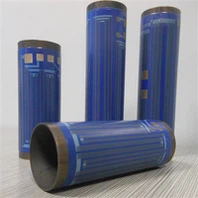
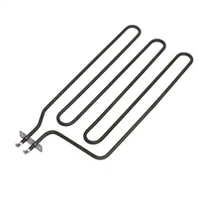
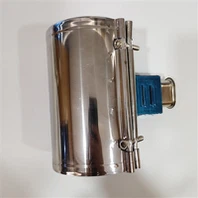
Silicone rubber heaters are essential components in freeze-drying processes, ensuring the uniform distribution of temperature within the drying chamber. Freeze-drying, or lyophilization, is a critical technique for removing moisture from sensitive materials while preserving their integrity, making precise temperature control paramount.
These heaters are strategically placed on chamber walls or shelves, customized to fit specific dimensions, and designed with embedded heating elements. When activated, these elements generate heat that radiates evenly across the silicone rubber's surface, preventing hot spots that can damage products. Temperature sensors and controllers work in tandem with these heaters, constantly monitoring and adjusting the temperature to maintain the desired setpoint.
Proper placement of silicone rubber heaters and their ability to distribute heat evenly across the chamber are crucial for consistent drying. This uniform heat distribution ensures that all product samples receive the same drying conditions, preventing variations in drying rates and maintaining product quality.
Throughout the freeze-drying process, silicone rubber heaters play a pivotal role in sublimating frozen water content from products without compromising their structure or properties. Continuous monitoring of temperature and pressure within the chamber is essential to ensure that the process remains within specified parameters, allowing for quick corrections if necessary.
In summary, silicone rubber heaters facilitate even temperature distribution in freeze-drying chambers, supporting the preservation of product quality and the efficiency of the drying process. Their flexibility, precision, and adaptability make them indispensable components in this critical industrial application.