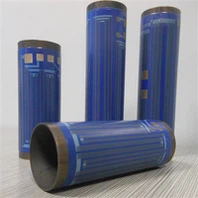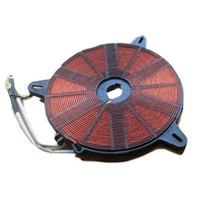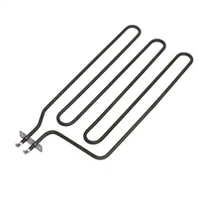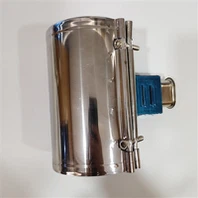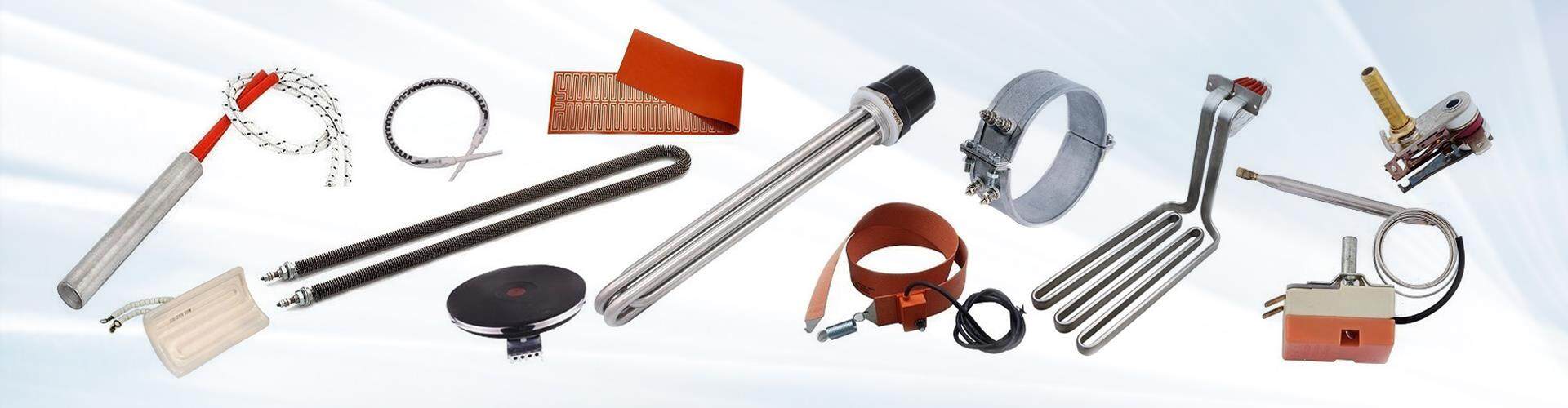
In HVAC (Heating, Ventilation, and Air Conditioning) systems, air dryer heater elements play a crucial role in maintaining dry, moisture-free air. This is important because excessive humidity can lead to issues such as mold growth, corrosion, and reduced efficiency in the system. Here's how air dryer heater elements are used in HVAC systems:
1. Dehumidification:
Air dryer heater elements are often integrated into dehumidification units within HVAC systems to remove excess moisture from the air. These elements heat the air slightly, raising its temperature and reducing the relative humidity, which allows moisture to condense and be removed from the air.
2. Preventing Condensation:
HVAC systems often cool air for comfort cooling. When warm, humid air is cooled, condensation can occur, which can lead to moisture buildup in the system and the environment. Heater elements are used in air dryers to ensure the air remains dry, preventing condensation from forming on cooling coils or other sensitive parts of the HVAC system.
3. Air Handling Units (AHUs):
In air handling units (AHUs), which are responsible for conditioning and circulating air, air dryer heater elements can be used to regulate the temperature and humidity of the air. These elements ensure the air being supplied to different areas of a building is at the correct moisture level, preventing dampness or overly dry conditions.

4. Winter Operation:
During cold weather, HVAC systems often face issues with moisture freezing in the system or ducts. Heater elements in the air dryer units prevent freezing by maintaining a stable temperature, ensuring that moisture is kept in vapor form rather than condensing into ice. This is particularly important in regions where freezing temperatures can affect HVAC functionality.
5. Improving Air Quality:
By removing moisture, air dryer heater elements improve air quality. Excess humidity can harbor mold, bacteria, and other allergens that affect indoor air quality. Removing this moisture helps maintain a cleaner, healthier environment for occupants.
6. Efficiency of Cooling and Heating:
By maintaining the proper balance of moisture in the air, air dryer heater elements help HVAC systems operate more efficiently. Humid air requires more energy to cool, and excess moisture can impair the heating system. By ensuring the air is dry, these elements optimize energy consumption and help HVAC systems work effectively.
7. Preventing Rust and Corrosion:
Moisture in the HVAC system can cause rust and corrosion on metal parts, especially coils and ducts. Air dryer heater elements prevent this by removing excess moisture, ensuring the longevity of the system and reducing maintenance costs.