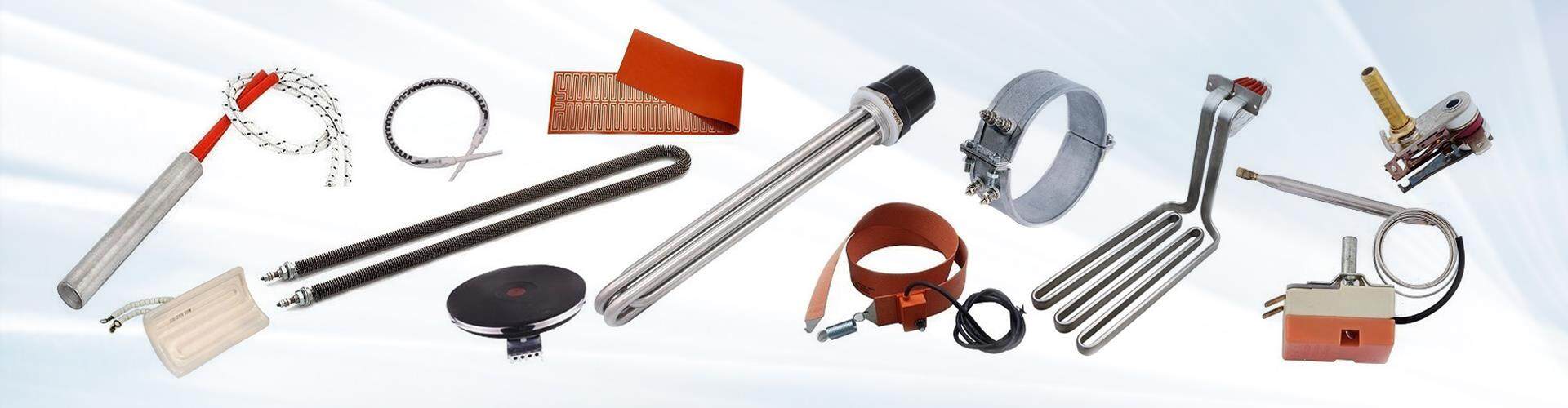
1. Structure of a Finned Tubular Heater
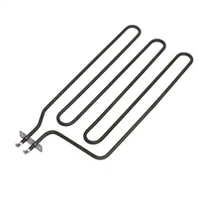
A finned tubular heater consists of:
A resistive heating element (usually Ni-Cr wire) inside a metal sheath.
Fins attached to the sheath to increase the surface area for better heat transfer.
Electrical terminals for connection to the oven's power supply.

2. Working Principle
Electricity flows through the resistive wire.
The wire resists the electric current, generating heat (Joule heating).
Heat is transferred from the wire to the metal sheath.
The fins increase the contact surface with air, allowing faster and more even heat distribution inside the oven.

3. Application in Baking Ovens
Rapid Heating: The 1000W power ensures the oven reaches the desired baking temperature quickly.
Even Heat Distribution: Fins help prevent hot and cold spots, giving uniform baking results.
Energy Efficiency: The extended surface area reduces energy loss and ensures more heat goes into the oven cavity.
Durability: Finned tubular heaters are sturdy and suitable for repeated cycles in commercial or home baking ovens.
4. Placement
Usually installed along the oven walls or ceiling to maximize airflow.
The fins allow convection currents to circulate hot air around the oven chamber, enhancing baking consistency.