Materials: The Core of the Heat Generation
The material alone directly influences stove coil heating element efficiency, durability, and maximum operating temperature. Commonly used materials include:
Material selection has a major impact on the performance, lifetime and max operating temperature of stove coil heating elements. Materials can be classified into several common categories:
Nichrome (Nickel-Chromium 80/20)
Nickel-chromium alloys are the predominant material for stove coils due to a high resistivity and durability, with maximum temperatures up to 900°C.
A good ductility allows the material to be easily coiled or formed as required into a spiral.
Oxidation resistance provides stability of the alloys in long term use in air in stoves.
FeCrAl (Kanthal)
Iron-chromium-aluminium alloys provide much greater performance potential with maximum operating temps > 1200°C without melting.
they form an alumina protective layer which greatly extends the life of the element.
Can be used for industrial applications where operating temperature is higher and the application is long term.
Sheath and Insulation Materials
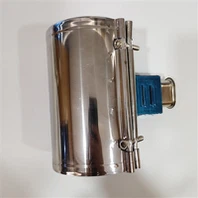
The protective sheaths (i.e., stainless steel) can protect the coil from mechanical damage and the elements of the environment.
Electrical insulation (ceramic or mica) provides electrical isolation, while maximizing heat transfer.
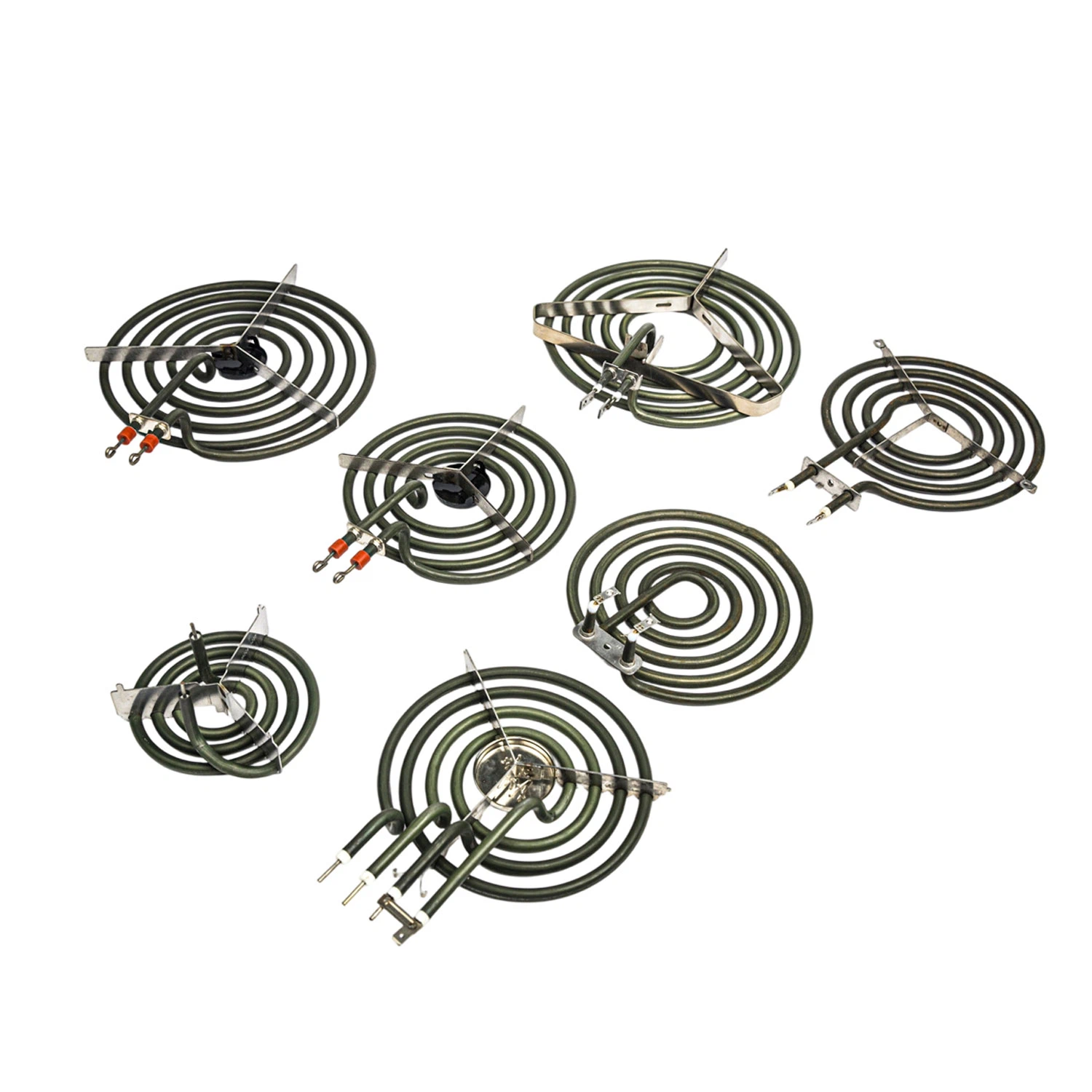
Structures: Shaping the Heat
The structural design of stove coil heating elements determines heat distribution, power output, and mechanical durability. Key design aspects include:
Coil Geometry
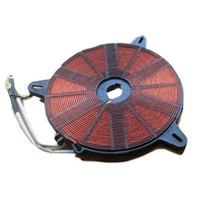
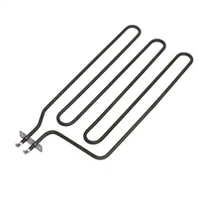
Spiral, U-shaped, or serpentine configurations are commonly used to maximize surface area and achieve uniform heating.
Coil spacing (pitch) affects heat density and temperature uniformity.
Wire Diameter and Length
Thicker wires carry higher current but heat more slowly; thinner wires heat faster but may wear out sooner.
Total coil length is calculated based on the required resistance and power output.
Mounting and Supports
Fitted into insulated bases or ceramic holders to prevent sagging and maintain shape.
End connections are designed to withstand high temperatures and minimize electrical resistance.
Conclusion
A stove coil heating element is more than just a metal wire-it is a carefully engineered component where material choice and structural design directly influence performance, safety, and longevity. Nichrome and FeCrAl remain industry favorites due to their combination of resistance, durability, and thermal stability, while innovative coil geometries and protective sheaths ensure optimal heat transfer and reliability. Understanding these fundamentals helps manufacturers produce better elements and allows users to select the right products for their specific applications.
E-Mail: Cici@Jaye-Heater.Com
Whatsapp: +86 13480586962