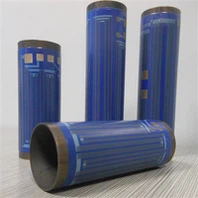
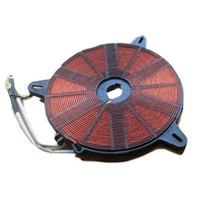
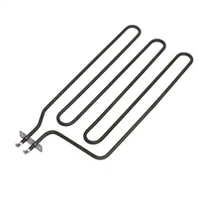
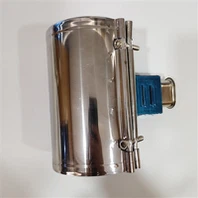
Do you know the working principle of cartridge heater?
Cartridge heaters are a type of electric heater that are designed to fit inside a circular or cylindrical hole in a solid metal block. The principle behind their operation is pretty simple: an electrical current flows through a heating element, which in turn converts that electrical energy into thermal energy (heat). This heat is then conducted to the metal block around the heater, warming it up to the desired temperature.
There are a few key components that make up a typical cartridge heater. The most important is the heating element itself, which is usually made from nichrome wire or a similar resistance wire. This element is wound tightly and compactly around a ceramic or glass insulator, which helps to prevent electrical current from short-circuiting between the wire and the metal block. The entire assembly is then encased in a metal sheath, which provides both mechanical protection and additional thermal conductivity.

When a cartridge heater is turned on, electrical current flows through the heating element, causing it to heat up. The metal block surrounding the heater then absorbs this heat, warming up to the desired temperature. The amount of heat produced by the heater depends on a number of factors, including the wattage of the heating element, the surface area of the metal block in contact with the heater, and the thermal conductivity of the block itself.
Overall, cartridge heaters are a reliable and efficient way to heat up solid metal blocks for a wide range of industrial applications. They are easy to install and maintain, and can be customized to meet specific heating requirements. Whether you need to heat up a machine tool, a plastic molding device, or some other piece of equipment, a cartridge heater is likely to be a reliable and effective solution.